Dental Implants: A Complete Guide to Restoring Your Smile
Dental implants are one of the most effective solutions for replacing missing teeth. They look, feel, and function like natural teeth. Millions of people have benefited from this treatment worldwide. At Rocklin Comprehensive Dentistry, our dental team believes every patient deserves to understand their options fully before making a decision.
What Are Dental Implants?
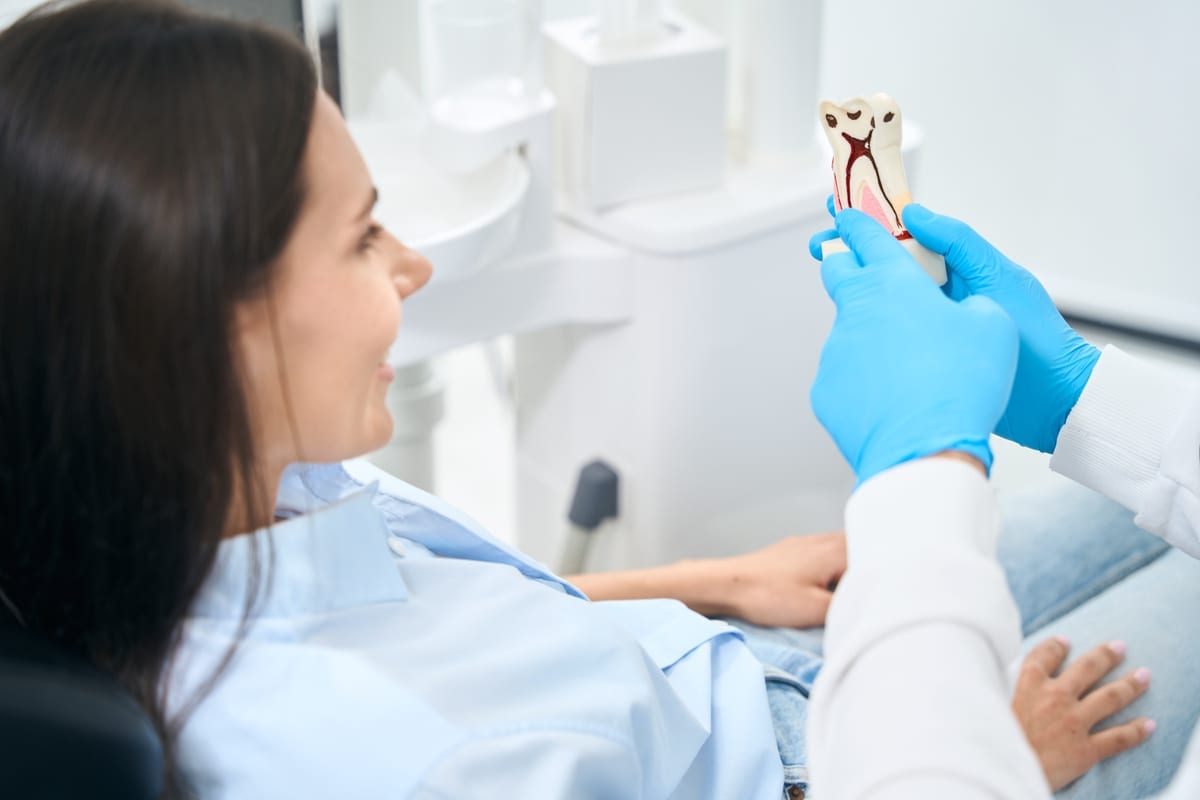
A dental implant is a small titanium post. It is surgically placed into the jawbone beneath the gum line. This post acts as an artificial tooth root. Over time, it fuses with the bone in a process called osseointegration. Once healed, a custom crown is attached on top. The result is a restoration that closely mimics a natural tooth in both form and function.
Unlike dentures or bridges, implants do not rest on the gums or rely on neighboring teeth. They are a standalone solution. This makes them one of the most stable tooth replacement options available today. They also help preserve the jawbone, which can deteriorate after tooth loss.
How the Dental Implant Process Works
The implant process typically takes place over several months. It begins with a thorough evaluation. Our dental team will assess your jawbone density, gum health, and overall oral condition. This helps determine if you are a good candidate. Imaging scans may also be taken to plan the placement precisely.
The surgical phase involves placing the titanium post into the jaw. A healing period follows, usually lasting three to six months. During this time, the bone grows around the implant. Once integration is confirmed, an abutment is placed. Finally, a custom-made crown is secured on top. Each step is carefully monitored for the best outcome.
Who Is a Good Candidate for Dental Implants?
Most healthy adults with missing teeth may qualify for dental implants. Good candidates generally have adequate jawbone density. Healthy gums are also essential for a successful outcome. Non-smokers tend to heal more predictably than smokers. Your overall health history is also reviewed before treatment begins.
Some conditions may require additional steps before implant placement. For example, bone grafting may be needed if the jaw has lost significant density. This is common in patients who have had missing teeth for a long time. Patients with certain chronic health conditions should discuss their situation with our dental team. A personalized evaluation is always the first step.
Benefits of Choosing Dental Implants
Dental implants offer a wide range of functional and aesthetic benefits. They restore your ability to chew comfortably. They also support clear speech, which can be affected by missing teeth. Because they are anchored in the jawbone, they do not shift or slip like removable options. Many patients report a significant boost in confidence after treatment.
Long-term oral health is another major benefit. Implants prevent the bone loss that naturally occurs after a tooth is removed. They do not require altering adjacent healthy teeth, unlike traditional bridges. With proper care, dental implants can last many decades. Routine brushing, flossing, and dental checkups are all that is needed to maintain them.
What to Expect During Recovery
Recovery after implant surgery is generally manageable for most patients. Some swelling, tenderness, and minor bleeding are normal in the first few days. Your dental team will provide specific aftercare instructions. Soft foods are recommended during the initial healing period. Over-the-counter pain relievers are usually sufficient to manage discomfort.
It is important to avoid smoking during recovery. Smoking can interfere with the healing process and reduce implant success rates. Patients should also avoid hard or crunchy foods until cleared by their provider. Follow-up appointments are scheduled to monitor healing progress. Most patients return to normal daily activities within a day or two of the procedure.
Caring for Your Dental Implants Long-Term
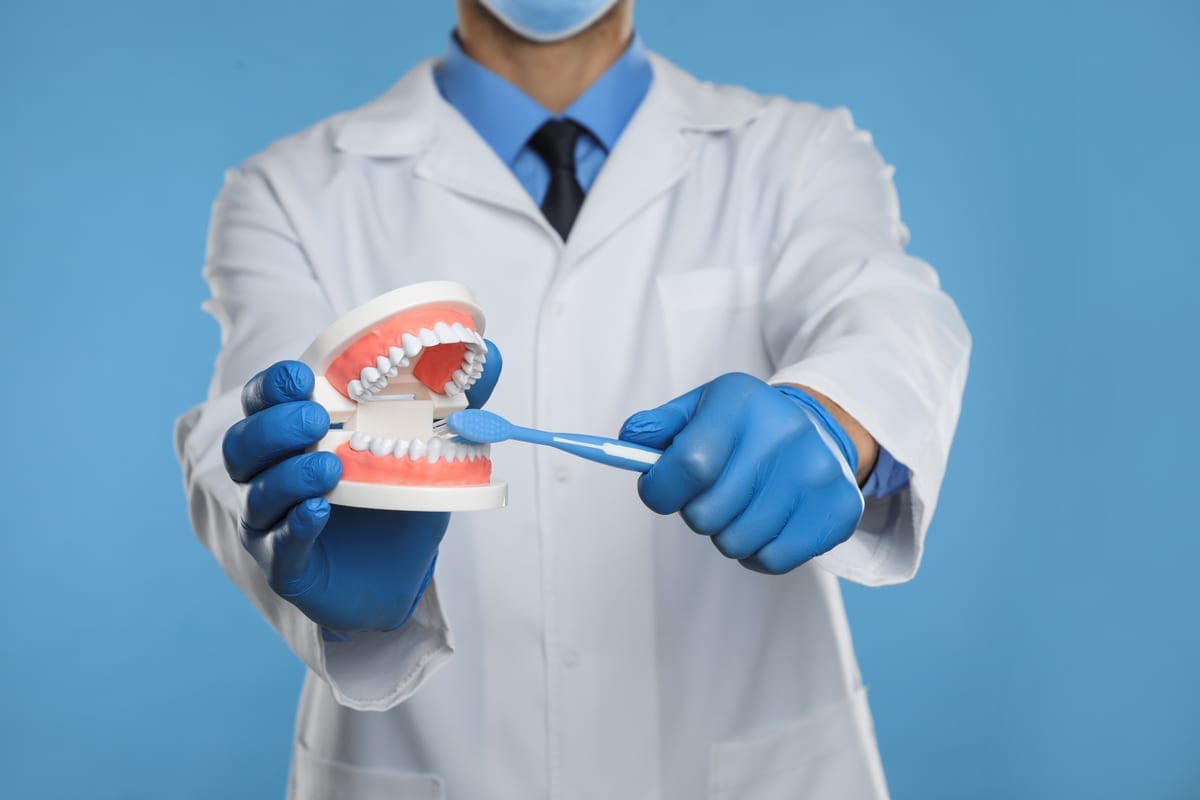
One of the biggest advantages of dental implants is how easy they are to maintain. You care for them just like your natural teeth. Brush twice daily with a soft-bristled toothbrush. Floss at least once a day around the implant and crown. Using a water flosser can also help keep the area clean and free of debris.
Regular professional cleanings are still essential. Our dental team monitors the health of the implant site at every visit. Early detection of any issues helps prevent complications. Avoiding habits like chewing ice or grinding your teeth also helps protect the restoration. If you grind your teeth at night, a custom mouthguard may be recommended. To learn more about our full range of services, visit our services page.
Conclusion
Dental implants are a proven, long-lasting solution for missing teeth. They support oral health, restore function, and improve quality of life. Understanding the process helps patients feel confident and prepared. Our dental team at Rocklin Comprehensive Dentistry is committed to patient education every step of the way. If you have questions about whether implants are right for you, we encourage you to reach out to our team. You can also learn more about us and our approach to comprehensive dental care.
Frequently Asked Questions
How long do dental implants last?
With proper care, dental implants can last 20 years or more. Many patients keep their implants for a lifetime. The crown attached to the implant may need replacement after 10 to 15 years depending on wear. Good oral hygiene and regular dental visits are key to longevity.
Is the dental implant procedure painful?
Most patients report less discomfort than they expected. Local anesthesia is used during the procedure to minimize pain. Mild soreness and swelling are common in the days following surgery. These symptoms typically resolve within a week and are manageable with standard pain relief measures.
How many teeth can be replaced with implants?
Dental implants can replace a single tooth, multiple teeth, or even a full arch. For full arch replacement, implant-supported dentures may be an option. Your dental team will discuss the best approach based on your specific needs and jawbone condition.
Can dental implants fail?
Implant failure is uncommon but can occur. Risk factors include smoking, uncontrolled health conditions, and poor oral hygiene. Infection around the implant site, known as peri-implantitis, is one of the more common causes of failure. Following aftercare instructions and attending regular checkups greatly reduces this risk.
Do dental implants look natural?
Yes, dental implants are designed to closely match your natural teeth. The custom crown is color-matched to blend with surrounding teeth. Most people cannot tell the difference between an implant and a natural tooth. The result is a seamless, natural-looking smile restoration.