
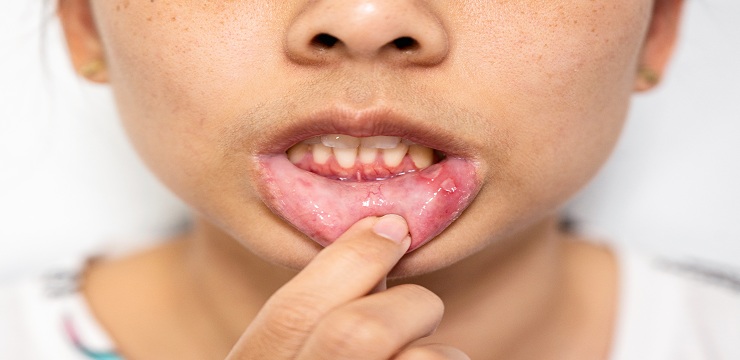
Gum disease isn’t typically noticed at first by severe pain. Rather, it presents as small, almost imperceptible symptoms—minor bleeding, minor swelling, or lingering bad breath. If you get it while it’s this mild, it’s completely preventable. Throughout this blog, you will see what to look for and how to fight it before it starts.
Gum disease is a very common problem, along with many other oral health concerns. In many instances, most people have no idea they have the problem, and it’s not discovered until it’s fairly advanced. It must be identified early and treated before it impacts your teeth, or, in later cases, your overall health.
What Exactly Is Gum Disease
Gum disease, otherwise known as periodontal disease, begins with bacteria in plaque along the gumline. Plaque is an invisible layer of bacteria that constantly covers your teeth. Over time, if plaque isn’t removed, it can irritate the gums, leading to inflammation. Periodontal disease includes:
- Gingivitis: The very first stage of gum disease, where you’ll see symptoms of inflammation, but the cause is easily reversible.
- Periodontitis: The more advanced stage, where the gum has pulled away, or the tissue has suffered permanent damage that will potentially impact the bone supporting your teeth.
Many people in Rocklin, CA, delay coming in to see their dentist. This causes the condition to progress as it goes undetected for longer and longer, often leading to the need for periodontal therapy.
Early Warning Signs You Should Not Ignore
It is very important to recognize the symptoms of gum disease so you can address the issue in its early stages and have it completely removed with proper treatment.
Bleeding Gums
The first warning sign is usually bleeding gums while brushing or flossing. It’s usually not anything you’d notice at first; the pain wouldn’t be great at all, or perhaps none at all, but you would have symptoms of your gums bleeding while brushing.
Red or Swollen Gums
Gums appear red or inflamed due to the body’s response to infection.
Persistent Bad Breath
Constant bad breath can occur if it is the result of the odor produced by the bacterial infection in your mouth.
Gum Recession
Gum recession is usually a sign of more advanced, persistent gum disease. Gum tissue may appear to have receded, making teeth look longer.
Tenderness Or Discomfort
Your gums may feel tender to the touch, or there might be an occasional twinge.
Loose Feeling Teeth
In later stages, teeth may feel slightly unstable due to weakening support.
Preventing Gum Disease Early On
When practiced routinely, prevention is very easy. Minor daily habits really do help.
Establish Good Oral Hygiene Practices
- Brush twice a day with a soft-bristle brush
- Floss once a day to remove food and plaque from between teeth
- Use an antimicrobial rinse, as advised by the dentist
Visit Your Dentist Regularly
- A dental professional can remove hardened plaque that the bristles cannot reach. If you catch your gum problems early, they can be reversed.
Watch What You Eat
- Reduce sugar intake and increase calcium and vitamin C.
Drink Plenty of Water
- The water will wash away many bacteria.
Avoid tobacco products
- Smoking is more likely to cause gum disease and also affects gum healing.
Notice Changes
- Be aware of small problems so they can be stopped early.
Where to Get Professional Help
You should call your dentist if you continue to experience symptoms, as this can lead to long-term damage to your teeth and gums. It will then involve treatment such as;
- Scaling and root planing
- removal of bacteria beneath the gum line
- Continued observation of your gum health
This is the role periodontal therapy in Rocklin will play. It focuses on controlling infection, restoring gum health, and preventing further progression.
When Early Care is Important
Gum disease can result in:
- Missing teeth
- Bone damage
- Constant discomfort
- Negative effects on your health
About half of American adults over 30 already have signs of gum disease, according to the Centers for Disease Control and Prevention (CDC). This is quite remarkable and may go unnoticed by most of them.
Early care can help you:
- Keep your natural teeth
- Avoid expensive medical procedures
- Maintain optimum oral health
Your Local Environment and Gum Health
A person’s habits are a greater contributor to their oral health than many realize. In Rocklin, lifestyle choices that include work, outdoor activities, and socializing make oral hygiene something that gets placed on the back burner from time to time.
Whether you are grabbing lunch at one of the spots down the road on Rocklin Road or rushing from meeting to meeting, consistency can make all the difference in your oral hygiene. Daily care that starts at home can have a huge impact and prevent problems before they begin.
Simple Habits that Make a Difference
It does not take too much effort to care for your teeth daily:
- Switch out your toothbrush every three months
- Do not brush aggressively
- Be sure to floss
- Rinse your mouth after meals
- Attend dental visits as scheduled
By following the steps listed above, you can fight the plaque that causes gum disease and protect your gums.
An Easy Way to Beat Gum Disease
Gum disease is a problem that begins secretly but can often be managed or prevented with routine care and knowledge. By understanding the symptoms and properly caring for your teeth, you will not need to suffer the consequences of untreated disease. Knowledge and the prevention of disease are the cure to more complicated future issues.
It is always better to visit your dentist and ask about any potential problems. If you have noticed the signs of early gum disease, it is time to make an appointment. Rocklin Comprehensive Dentistry offers comprehensive periodontal therapy in Rocklin and early-detection treatment for patients with gum disease, helping them achieve healthy gums and teeth for years to come.
Common Questions People Ask
Can gum disease go away on its own?
No, it does not resolve without care. Early-stage gingivitis can improve with proper oral hygiene and professional cleaning. If left untreated, it can progress into a more serious condition that requires advanced treatment
How quickly does gum disease develop?
It develops gradually over time. Poor oral hygiene can lead to early signs within weeks. However, noticeable damage often takes months or even years to develop, which is why regular checkups are important.
Is bleeding while brushing always a sign of gum disease?
Frequent bleeding is often linked to gum inflammation. Occasional bleeding may result from aggressive brushing, but persistent bleeding should be evaluated by a dental professional.
Can gum disease affect overall health?
Yes, research suggests links between gum disease and conditions like heart disease and diabetes. Maintaining gum health supports overall wellness and reduces potential health risks.