Cavities are a common dental problem, but they don’t always come with warning signs. In many instances, the onset of tooth decay is insidious, with no pain or discomfort until later in the course. This slow process is caused by plaque, a sticky film of bacteria. If plaque is not removed, it can wear down tooth enamel and lead to cavities over time. The trickiest part is that cavities usually form slowly, so you have little chance of noticing them before it’s too late.
To prevent cavities, it’s important to know how they form and develop. The process involved in creating a cavity starts well before it becomes painful, and being able to see this early stage can help save your teeth. Knowing what to look for will help you catch potential trouble early and maintain your smile for years.
What Is a Cavity?
A cavity (aka tooth decay) forms when plaque builds up on a tooth, starting as a small spot. Plaque is a layer of bacteria that sticks to your teeth when sugars from food and drinks react with natural bacteria in the mouth. These bacteria generate acid that breaks down and loosens the tooth enamel, or your teeth’s protective outer layer. Plaque left untreated can lead to cavities, infections, and other dental complications.
Cavities are not only a problem in children. They influence adults and people of all ages. Knowing the stages of cavity formation, however, allows us to respond faster and more effectively before damage becomes more serious.
Stages of a Cavity
Cavities form over time, and knowing the stages is critical to catching them early. At each stage, different symptoms manifest, ranging from the earliest plaque buildup to significant damage. Here’s a closer look at cavity development over time.
Stage 1: The Plaque Buildup
Of course, cavities have a lifecycle that starts with the formation of plaque. Plaque continuously builds on your teeth as we eat, and food particles hang out in our mouth with our saliva. Plaque that’s not adequately removed can harden into tartar, which is much more difficult to remove and requires professional cleaning.
During the initial stages of tooth decay, plaque accumulates, encouraging bacteria to thrive; these colonies then consume sugars and release acids that erode enamel. In this stage, you will not feel any pain or discomfort, and the damage is generally microscopic to the naked eye. But left untreated, it’s the first stage in getting a cavity.
Stage 2: Weakened Enamel
As plaque builds, the acids gradually start to wear away the enamel on your teeth. Enamel is the hardest substance in the human body; however, it’s not invulnerable. As it breaks down, it leaves the tooth susceptible to further injury. At this point, you may see small white spots on the surface of the tooth. These spots are an indication that the enamel is losing minerals and may begin to decay further.
Enamel, with the aid of minerals in saliva, can heal itself, but only if you practice good oral hygiene and are careful not to eat or drink too many sugary foods and beverages. Failure to fix the weakened enamel will only allow the cavity to spread.
Step 3: The Creation of a Cavity
If damage persists, the next step is to introduce a small cavity or hole into your tooth. At this stage of the disease, enamel cannot self-repair. The bacteria drill deeper into the tooth, wreaking more havoc. There is now a cavity, though symptoms may not be immediately apparent. In many situations, you won’t feel any pain or sensitivity.
When this stage happens, it is crucial to see your dentist in Rocklin at the earliest. An early intervention, for instance, a small filling to restore the tooth, can easily do so and prevent further damage. At this stage, though, ignoring a cavity can allow bacteria to extend into deeper layers of the tooth.
Stage 4: The Infection Alights on the Dentin
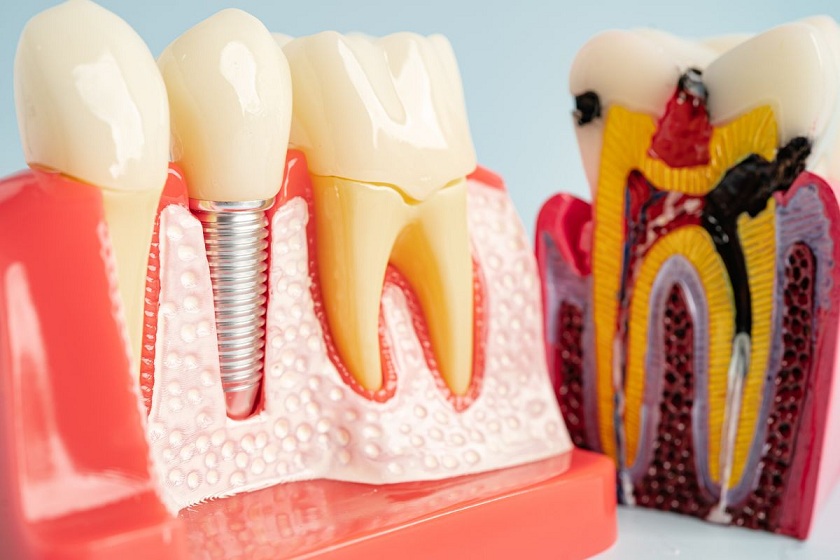
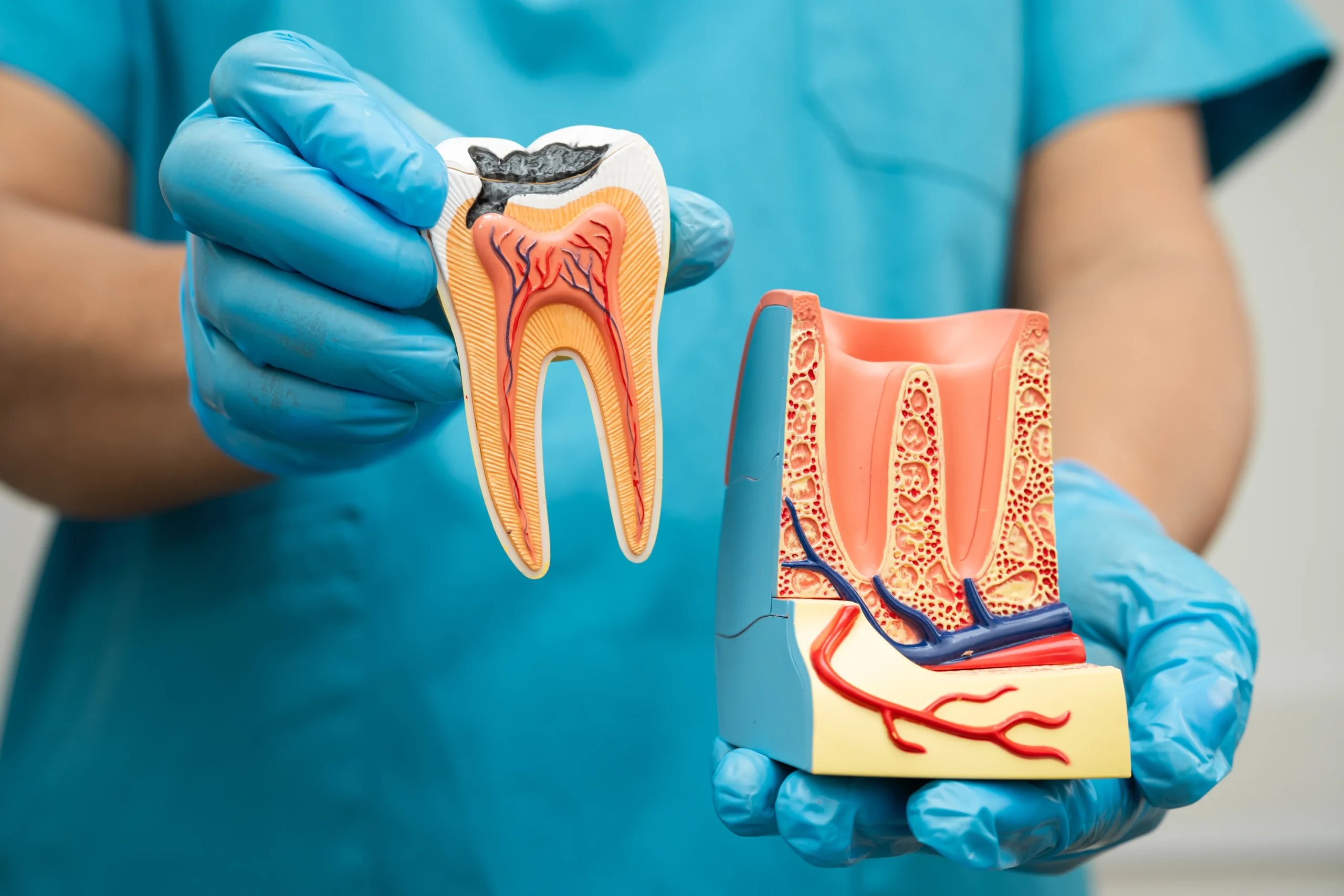
Once the cavity reaches the enamel, it progresses into the dentin layer of your tooth. Dentin is softer than enamel, and once bacteria reach it, the decay progresses much faster. Most people begin to show symptoms of the disease during this stage, such as sensitivity to hot and cold foods and discomfort when chewing.
By now, the cavity has progressed deeper, and a filling will no longer suffice. The dental treatment may include root canal or advanced restorative procedures to retain the tooth. Pain may be more severe, and if left untreated, the infection can spread to other parts of the tooth, causing greater damage.
Stage 5: Advanced Damage And Tooth Loss
At this last stage, the decay has done too much damage, and the tooth can no longer function properly. By now, the decay has entered the pulp, the nerve center of the tooth. This causes extreme pain and swelling around the infected tooth. The tooth may be weak and snap off; it will fall on its own.
At this point, infections can extend to the adjacent gums, leading to further issues. You may require a tooth extraction to keep the infection from spreading to other teeth. Missing a tooth has lasting consequences for your bite and overall oral health, so it’s important to get on top of a cavity before it gets that far.
How to Stop Cavities Before They Start
Cavity prevention starts with consistent good oral hygiene habits. Some tips to help keep this cycle of a cavity from beginning:
- Brush 2 Times a Day: Use fluoride toothpaste and brush for at least 2 minutes in the morning and evening.
- Floss Daily: Flossing eliminates plaque and food particles between your teeth, where your toothbrush can’t reach.
- Stay Away From Sugary Foods and Drinks: Steer clear of sugary snacks and drinks that nourish bad bacteria.
- See Your Dentist Regularly: Visiting the dentist allows your dentist to detect early signs of decay before they become more serious problems.
- Use Fluoride: Adding fluoride to your regimen will help strengthen your enamel and help it resist acid and decay.
- Implement Dental Sealants: Applying dental sealants is an effective method to protect your teeth from cavities, particularly for children.
Keep Your Smile Healthy: Get a Checkup Today
Cavities don’t happen overnight. They take time to develop, and the sooner they’re identified, the simpler they are to treat. By understanding the lifecycle of a cavity and maintaining good oral hygiene practices, damage can be avoided before it occurs.
And if you’ve detected changes with your teeth, or it has been a while since your last checkup, don’t delay; make an appointment with Rocklin Comprehensive Dentistry now. We’re here to help you keep your smile healthy and beautiful for years to come.
Questions People Ask About Cavity
What causes cavities to form?
Cavities form when bacteria in plaque feed on sugars from food, producing acids that weaken tooth enamel. Over time, this acid erosion creates holes, leading to tooth decay and, eventually, cavities if left untreated.
How can I prevent cavities?
To prevent cavities, brush your teeth twice daily with fluoride toothpaste, floss regularly, avoid sugary foods, and visit your dentist regularly. These habits protect enamel and reduce plaque buildup, which helps prevent decay and cavity formation.
Are cavities common in children?
Yes, cavities are common in children due to sugary diets, irregular brushing habits, and the development of teeth. Early dental visits, regular brushing, and fluoride treatments can help reduce the risk and promote lifelong oral health.
What should I do if I suspect I have a cavity?
If you suspect a cavity, schedule a dental checkup. Early detection allows for easy treatment, such as a filling, to prevent further damage. Avoid waiting for pain, as cavities often don’t cause discomfort until they progress.
How can I treat a cavity at home?
Unfortunately, cavities cannot be treated at home. Professional treatment, such as a filling, is necessary once a cavity forms. Maintaining good oral hygiene and regular dental checkups can help prevent cavities from developing in the first place.
What are the symptoms of a cavity?
Symptoms of a cavity include tooth sensitivity, pain while chewing, visible holes or dark spots on your teeth, and discomfort with hot or cold foods. If you notice these, it’s essential to visit your dentist for evaluation.