
Lost your crown? Here’s what to do right now if you’re in Loomis and feeling panicked. A dislodged crown, filling, or bridge is one of the most common dental emergencies we see at Rocklin Comprehensive Dentistry. The good news is that you have options — and acting quickly makes a real difference. Dr. Purna Patel and our team are here to guide you through every step.
Why a Lost Crown Is a Dental Emergency in Loomis
When a crown falls off, the tooth underneath is exposed. That exposed tooth is vulnerable to bacteria, temperature sensitivity, and even fracture. Many patients in Loomis assume they can wait a few weeks. That wait can turn a simple re-cement into a much bigger problem.
The underlying tooth may have decay or a weakened structure already. Without the crown protecting it, damage can accelerate fast. Pain may start mild but worsen quickly without treatment. Treating it early almost always means less time in the chair.
The same urgency applies if you lose a filling or a Dental Bridges restoration. Any gap in your mouth’s structure needs prompt attention. Ignoring it risks shifting teeth, bite problems, and added expense down the road.
What to Do Right Now — Step-by-Step
Stay calm. A lost crown feels alarming, but it is manageable. Follow these steps immediately to protect your tooth until you can reach our office.
- Find the crown — Rinse it gently with warm water. Do not scrub it.
- Check for damage — Look at the crown carefully. Is it cracked or intact?
- Temporary dental cement — Buy over-the-counter dental cement at a pharmacy. Brands like Dentemp work well in a pinch.
- Re-seat the crown yourself — Apply a small amount of cement inside the crown, then gently press it back onto the tooth.
- Do not use super glue — This is critical. Super glue is toxic and can permanently damage your tooth.
- Call our office immediately — Even with the crown back on, you still need professional care.
Temporary cement is not a long-term fix. It only buys you time until your appointment. Do not eat on that side of your mouth while waiting.
What Makes It Worse — Common Mistakes to Avoid
Many patients accidentally worsen the situation before they reach a dentist. Knowing what to avoid is just as important as knowing what to do. Here are the most common mistakes we see from Loomis patients.
- Eating hard or sticky foods — These can crack the exposed tooth or dislodge any temporary fix you’ve applied.
- Ignoring sensitivity — Sharp pain when drinking cold water is a warning sign, not something to push through.
- Using household adhesives — Super glue, epoxy, or craft glue can bond the crown incorrectly and damage the tooth surface.
- Waiting too long — Every day without a crown increases the risk of infection and structural damage.
- Swallowing the crown — If you’re unsure where it is, check your food. Swallowed crowns usually pass safely, but call us to confirm.
Sensitivity after losing a crown is normal. But if you experience throbbing pain, swelling, or fever, contact our office right away. These signs may indicate infection or nerve involvement.
What Happens at Your Emergency Appointment
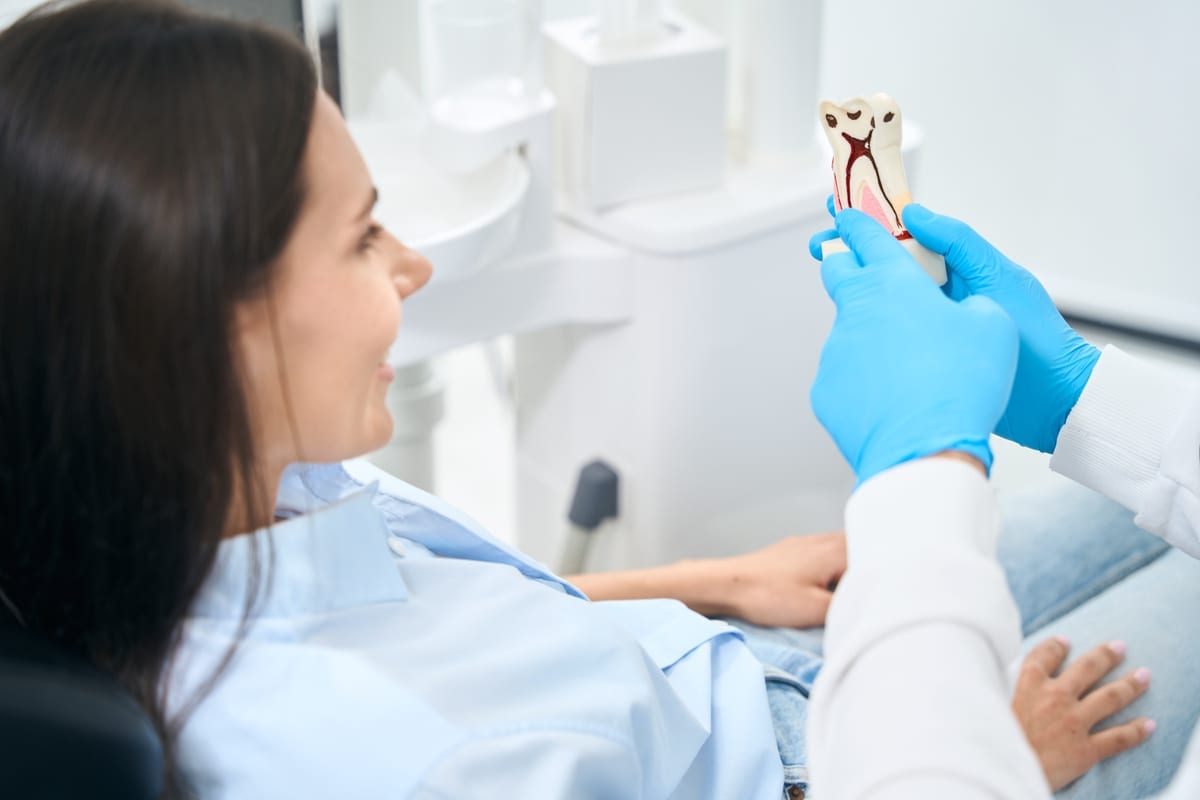
When you come in, Dr. Patel will first examine the tooth and the crown itself. She’ll take a quick X-ray to assess what’s happening below the surface. This tells her whether the original crown can be re-cemented or whether a new one is needed.
If the crown is intact and the tooth is healthy, re-cementing is straightforward. The appointment is usually quick and comfortable. You’ll leave with a fully protected tooth and clear aftercare instructions.
If the tooth has new decay or damage, Dr. Patel will explain your options honestly and clearly. In some cases, a new crown is the best path forward. In others, a different restoration — such as Dental Implants — may be the better long-term solution. Every recommendation is based on what’s best for your specific situation.
How to Prevent This From Happening Again
Crowns can last ten to fifteen years with proper care. However, certain habits shorten their lifespan significantly. Understanding what weakens crowns helps you protect your investment.
Avoid chewing ice, hard candy, or extremely sticky foods like caramel. These put excessive force on the crown’s seal. Grinding your teeth at night is another major cause of crown failure. Ask Dr. Patel about a custom night guard if you grind.
Regular cleanings also matter more than most patients realize. Plaque buildup at the gum line can weaken the cement bond over time. Staying current with your checkups at Rocklin Comprehensive Dentistry gives Dr. Patel the chance to catch early signs of loosening before the crown falls out completely.
Serving Loomis and Nearby Communities
Rocklin Comprehensive Dentistry is conveniently located to serve patients from Loomis and the surrounding area. Whether you’re dealing with a lost crown, a broken filling, or a missing bridge, our team responds quickly to dental emergencies. We understand that these situations rarely happen at convenient times.
Dr. Patel brings a calm, thorough approach to every emergency case. She takes time to explain exactly what happened and what comes next. Patients from Loomis consistently tell us they appreciate that straightforward, no-pressure style of care.
Don’t wait and hope the problem resolves itself. A lost restoration needs professional attention — and the sooner, the better. Book Now to schedule your appointment with our team.
Frequently Asked Questions
Can I put my crown back on myself at home?
You can temporarily re-seat a crown using over-the-counter dental cement from a pharmacy. This protects the tooth short-term. However, this is not a permanent fix — you must see a dentist as soon as possible to have it properly evaluated and re-cemented.
What if I lost my crown and I’m not in pain?
No pain doesn’t mean no problem. The exposed tooth is still at risk for bacteria, decay, and fracture even without discomfort. Some teeth have reduced sensitivity after previous root canal treatment, so absence of pain can be misleading. Call your dentist regardless.
How long can I wait after losing a crown?
Ideally, you should contact a dentist the same day or the next business day. Waiting longer than a few days increases the risk of tooth damage and makes the repair more complex. If you experience swelling or severe pain, treat it as an urgent emergency.
Will I need a brand new crown, or can the old one be re-used?
It depends on the condition of both the crown and the underlying tooth. If the crown is intact and the tooth is healthy, re-cementing is often possible. If there is new decay, damage, or the crown is broken, a new crown will likely be recommended.
What’s the difference between losing a crown and losing a filling?
Both expose the inner structure of the tooth and require prompt treatment. A lost filling often involves a smaller area of exposure, while a lost crown typically means the entire biting surface is unprotected. Both situations are urgent and should be addressed within one to two days.