
Your dental appointments are essential, but they only happen a few times a year. What you do every single day matters just as much. If you want to keep your smile perfect between dental visits with these proven techniques in Rocklin, the good news is that it does not take a lot of time. It just takes the right habits. Dr. Purna Patel and the team at Rocklin Comprehensive Dentistry put together this guide to help you protect your smile long after you leave the chair.
Master the Right Brushing Technique Between Visits in Rocklin
Most people brush their teeth every day, but many do it incorrectly. Poor brushing technique leaves plaque behind and can even damage your enamel over time. Getting your technique right is one of the most powerful things you can do between appointments.
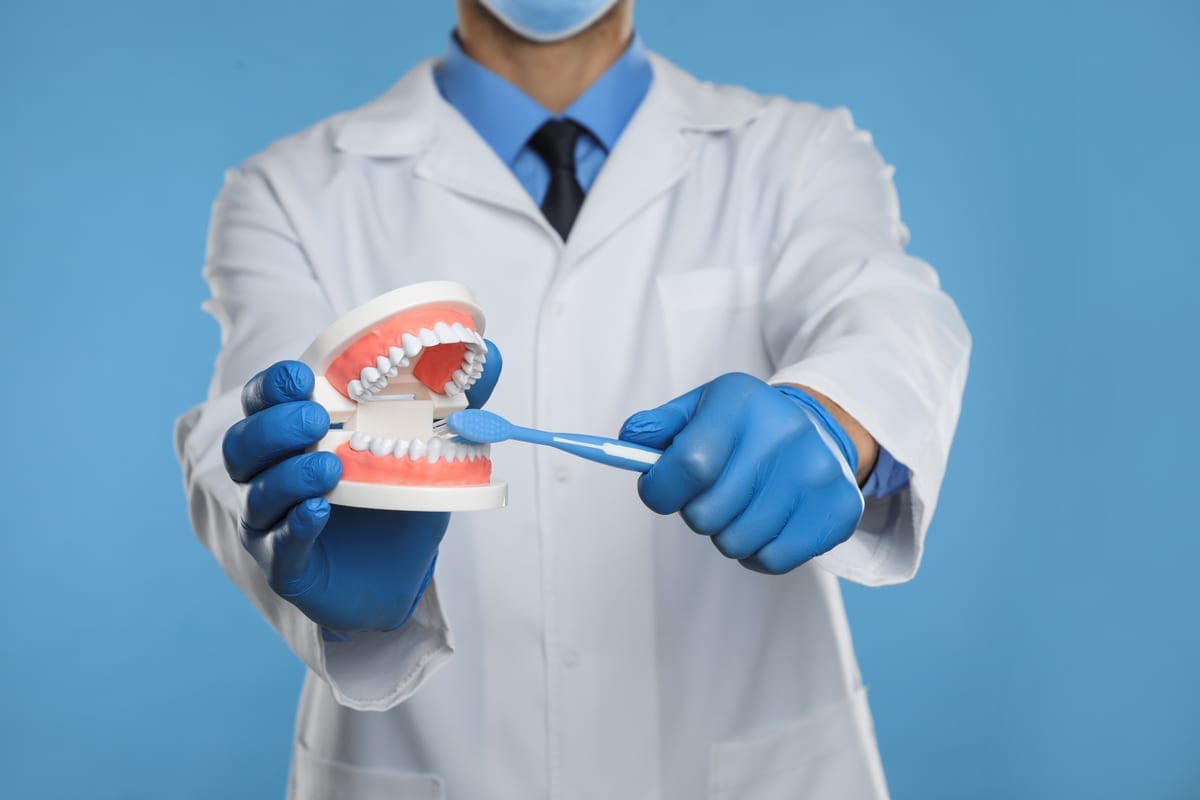
Use a soft-bristled toothbrush and fluoride toothpaste. Hold your brush at a 45-degree angle to your gum line. Use gentle, circular motions — never harsh back-and-forth scrubbing. Brush for a full two minutes, twice a day.
Pay extra attention to the back molars and the gum line. These are the spots that most people miss. An electric toothbrush can make this easier and more consistent. Replace your brush or brush head every three months for the best results.
Floss Daily and Do It the Right Way
Brushing alone only cleans about 60 percent of your tooth surfaces. Flossing reaches the spaces your brush simply cannot. Skipping floss means letting plaque and bacteria sit between your teeth every single day.
Use about 18 inches of floss and wrap most of it around your middle fingers. Slide it gently between each tooth using a C-shape motion. Curve the floss around each tooth and move it up and down along the side. Never snap the floss into your gums — that causes irritation and bleeding.
- Floss at least once per day, ideally before bed
- Use waxed floss if your teeth are tightly spaced
- Try a water flosser if traditional floss feels difficult
- Floss picks are fine for travel but less thorough for daily use
- Ask Dr. Patel about the best flossing tool for your specific needs
Consistent flossing reduces your risk of gum disease and cavities between your teeth. It also keeps your breath fresher. Patients who floss daily tend to need less intensive cleanings at their regular visits.
Choose Foods and Drinks That Protect Your Enamel
Your diet has a direct impact on your dental health. Certain foods and drinks weaken enamel, feed bacteria, and stain your teeth. Others actually help strengthen and protect your smile between visits.
Sugary snacks and acidic drinks are the biggest threats. Soda, sports drinks, citrus juices, and sticky candies create the ideal conditions for decay. If you do consume them, rinse your mouth with water afterward. Wait at least 30 minutes before brushing to avoid scrubbing softened enamel.
- Eat crunchy vegetables like carrots and celery — they help scrub teeth naturally
- Choose dairy products like cheese and yogurt to support enamel strength
- Drink plenty of water, especially fluoridated tap water
- Limit coffee, tea, and red wine to reduce staining
- Chew sugar-free gum with xylitol to stimulate saliva and fight bacteria
Saliva is your mouth’s natural defense system. Staying hydrated keeps saliva flowing. Dry mouth increases your risk of cavities and gum problems significantly.
Use the Right Products to Maintain Results at Home
The products you use at home can dramatically change your outcomes between visits. Not all toothpastes and mouthwashes are equal. Choosing wisely makes a real difference for your long-term smile health.
Always use a toothpaste with fluoride. Fluoride rebuilds weakened enamel and fights decay. If you have sensitivity, look for a toothpaste designed specifically for sensitive teeth. These products help reduce discomfort between your professional cleanings.
An antibacterial mouthwash adds another layer of protection. Rinse once a day after brushing and flossing. Look for a mouthwash that contains fluoride or chlorhexidine if your dentist recommends it. Avoid alcohol-based rinses if you have a dry mouth condition.
If you have had restorative work like Dental Implants or Dental Bridges, your at-home care routine may need to be adjusted. Dr. Patel can recommend the right tools and techniques for your specific restoration. Always follow the personalized guidance you receive after any procedure.
Build Daily Habits That Protect Your Long-Term Smile Health
Consistency is the real secret to maintaining a healthy smile between visits. It is not about doing something extraordinary once in a while. It is about doing the simple things right, every single day.
Set a routine that makes dental care automatic. Brush in the morning and at night without exception. Floss before bed as part of your wind-down routine. Keep your dental products visible and accessible so you never skip a step.
Avoid habits that work against your smile. Do not use your teeth as tools to open packages or bottles. Stop chewing on ice, pens, or fingernails. If you grind your teeth at night, talk to Dr. Patel about a custom night guard. These small changes protect your teeth from unnecessary damage.
Staying on top of your scheduled cleanings and checkups is equally important. Your home routine and your professional care work together. One without the other will not deliver the results you are looking for in Rocklin.
Conclusion
Keeping your smile in great shape does not have to be complicated. With the right brushing technique, daily flossing, smart food choices, and quality products, you can protect your results between every appointment. Dr. Purna Patel and the team at Rocklin Comprehensive Dentistry are here to support your smile every step of the way. Book Now to schedule your appointment with our team.
Frequently Asked Questions
How often should I brush my teeth between dental visits?
You should brush at least twice a day — once in the morning and once before bed. Using a soft-bristled brush with fluoride toothpaste for two full minutes each time gives you the best protection between your professional cleanings.
Is flossing really necessary if I brush thoroughly?
Yes, flossing is essential. Brushing only cleans the outer surfaces of your teeth. Floss removes plaque and food debris from between your teeth and along the gum line, where your toothbrush simply cannot reach. Skipping floss significantly increases your risk of cavities and gum disease.
What foods should I avoid to protect my enamel?
Try to limit sugary snacks, soda, sports drinks, and acidic foods like citrus fruits. These substances weaken enamel and feed the bacteria that cause cavities. Rinsing with water after consuming them helps reduce the damage until you can brush.
Do I need special care products if I have dental restorations?
It depends on the type of restoration. Patients with dental implants or bridges may need specific brushing tools or flossing techniques to keep those areas clean and healthy. Dr. Patel will provide personalized product recommendations based on your individual treatment history.
How can I keep my teeth white between professional whitening treatments?
Limit staining beverages like coffee, tea, and red wine. Use a whitening toothpaste approved by your dentist for daily maintenance. Rinsing your mouth with water after consuming staining foods also helps. Talk to Dr. Patel about touch-up options that are safe for your enamel between visits.