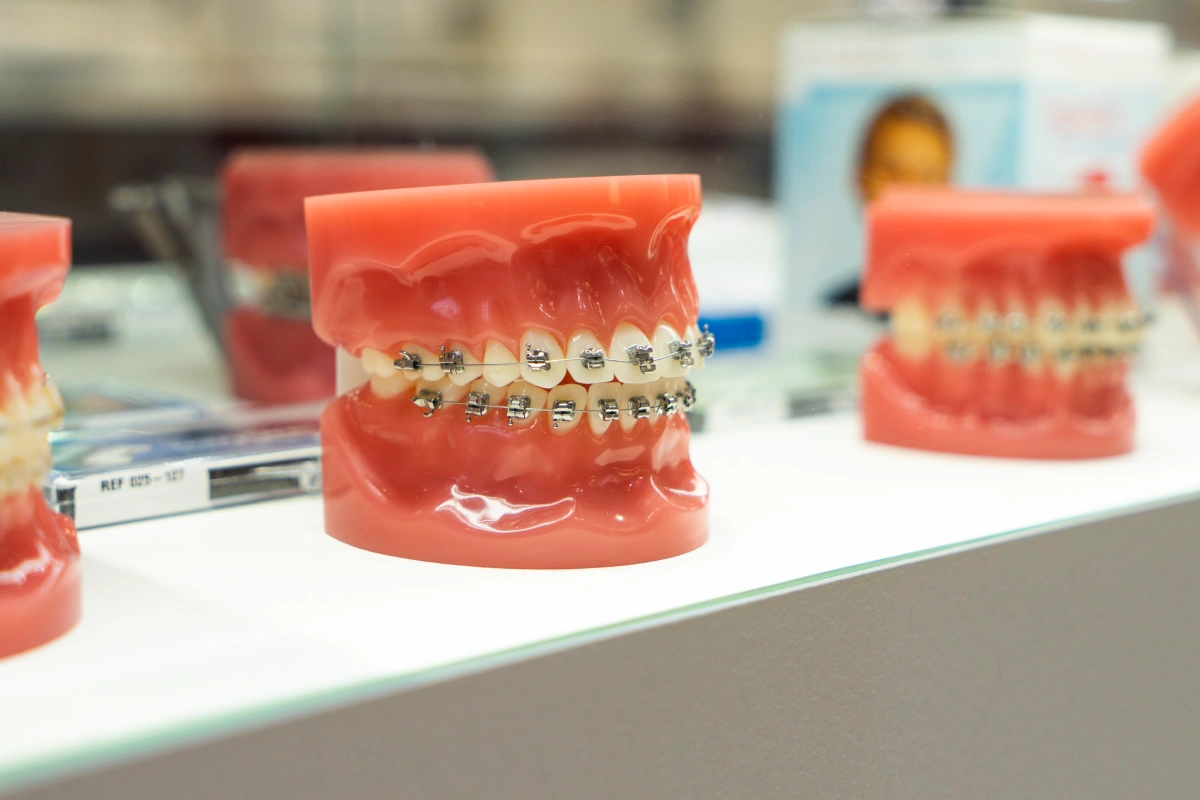

Many parents wonder when to bring their child for an orthodontic evaluation. The American Association of Orthodontists recommends that children have their first check-up around age 7. This allows the orthodontist to spot early issues and plan treatment if needed.
That said, orthodontic care isn’t just for kids. Teens and adults can benefit too. In fact, clear aligners and modern braces have made adult treatment more popular than ever. It’s never too late to improve your smile and bite.
Early evaluations can prevent bigger problems later, and some children may benefit from early-phase appliances to guide jaw growth. Others can wait until more permanent teeth come in.
Why Timing Matters in Orthodontics
Orthodontic treatment isn’t just about straight teeth—it’s about guiding jaw growth, improving bite function, and preventing bigger issues later on. Starting at the right time can:
- Reduce the need for tooth extractions
- Shorten overall treatment time
- Prevent speech or chewing issues
- Improve confidence during key developmental years
In a growing community like Rocklin, where families are active and kids are involved in school and sports, early awareness can make a big difference.
When Should Kids First See an Orthodontist?
The American Association of Orthodontists recommends age 7 as the ideal time for a child’s first orthodontic evaluation.
At this age:
- Baby teeth and adult teeth are both present
- Jaw growth patterns are easier to assess
- Early issues like crowding or bite misalignment can be detected
Even if your child’s teeth look straight, underlying concerns may still exist.
Braces for Kids: Is Early Treatment Necessary?
What Is Phase 1 Orthodontic Treatment?
Early treatment—often called Phase 1—typically happens between ages 7 and 10. It focuses on guiding jaw development and creating space for incoming adult teeth.
Signs Your Child Might Need Early Braces
- Difficulty biting or chewing
- Thumb sucking beyond age 5
- Crowded or overlapping teeth
- Early or late loss of baby teeth
- Jaw shifting or clicking
Benefits of Early Intervention
- Prevents more complex issues later
- Reduces risk of impacted teeth
- Can eliminate the need for future surgery
That said, not every child needs early braces. Many Rocklin families choose a “wait and monitor” approach after the initial evaluation.
Braces for Teens: The Most Common Timing
Why the Teenage Years Are Ideal
Most orthodontic treatment happens between ages 11 and 15—and for good reason:
- All or most adult teeth have erupted
- Growth spurts help guide alignment
- Teens are more responsible with care routines
Popular Options for Teens
- Traditional metal braces
- Clear ceramic braces
- Clear aligners (depending on case complexity)
With Rocklin High School, Whitney High, and other local schools full of active teens, many orthodontic options today are designed to be low-profile and lifestyle-friendly.
Braces for Adults: Is It Too Late?
Not at all.
More adults in Rocklin are choosing orthodontic treatment than ever before. Whether it’s for cosmetic reasons or bite correction, treatment can begin at any age.
Why Adults Choose Braces
- Correct long-standing alignment issues
- Improve oral health and hygiene
- Boost confidence in professional and social settings
Adult-Friendly Options
- Clear aligners (like Invisalign-style systems)
- Lingual braces (placed behind teeth)
- Ceramic braces for a discreet look
Many local professionals—from healthcare workers to business owners—are opting for subtle solutions that fit into their daily routines.
How to Know What’s Right for Your Child
Every smile develops differently. The best approach is personalized evaluation—not guesswork.
Questions to Ask at Your First Visit
- Does my child need treatment now or later?
- How long will treatment take?
- What options are available?
- Will insurance cover part of the cost?
Orthodontists in Rocklin often offer complimentary consultations, making it easy for families to explore options without pressure.
Local Insight: Orthodontic Care in Rocklin, CA
Rocklin is home to a growing number of family-focused dental practices that understand the needs of local parents and kids.
With nearby schools, parks like Johnson-Springview Park, and busy family schedules, convenience matters. Many orthodontic offices offer:
- After-school appointments
- Flexible payment plans
- Digital scans (no messy impressions)
- Shorter wait times
Choosing a local provider also means easier follow-ups and a more personalized experience.
What Happens If You Wait Too Long?
Delaying treatment doesn’t always cause problems—but in some cases, it can lead to:
- More severe crowding
- Jaw misalignment
- Increased treatment time
- Higher overall costs
That’s why early evaluation is key—even if treatment doesn’t start right away.
Final Thoughts: The “Best Age” Depends on the Individual
So, what’s the best age to start orthodontic treatment?
- Age 7: First evaluation
- Ages 7–10: Early intervention (if needed)
- Ages 11–15: Most common treatment window
- Adults: It’s never too late
The goal isn’t to start early—it’s to start at the right time.