Many Rocklin patients put off replacing a missing tooth. Life gets busy, and a gap in your smile may seem harmless at first. But understanding why delaying a dental bridge costs you more than money in Rocklin can change how you think about this decision. The consequences of waiting go well beyond your appearance — they affect your bite, your bone, and your long-term dental health.
At Rocklin Comprehensive Dentistry, Dr. Purna Patel sees patients regularly who waited too long to address a missing tooth. What started as a simple restoration often becomes a much more complex treatment plan. This article explains exactly what happens when you delay — and why acting sooner is always the smarter choice.
Why Delaying a Dental Bridge Costs You More Than Money in Rocklin
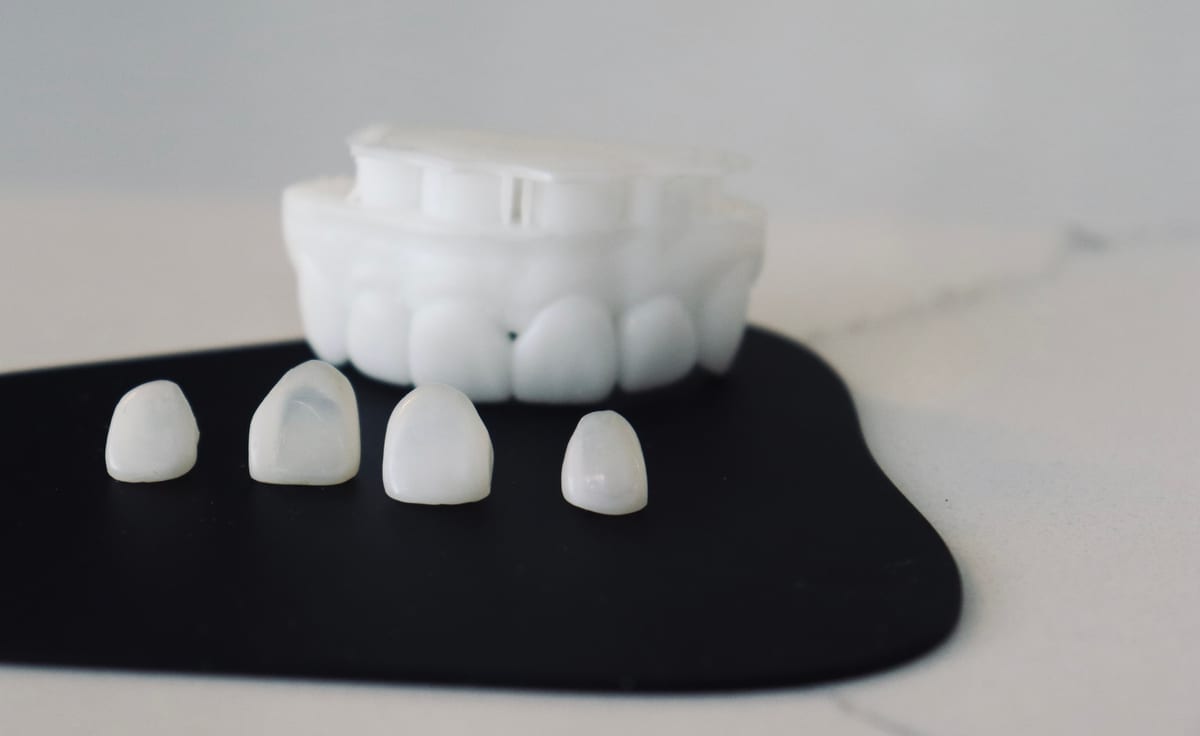
A dental bridge literally bridges the gap left by a missing tooth. It anchors to the teeth on either side and restores your ability to chew, speak, and smile normally. The procedure is straightforward when done promptly. But delays change everything.
When a tooth is missing, the surrounding teeth begin shifting toward the open space. This movement is natural but harmful. Your bite changes gradually, often without you noticing. Over time, those shifts create alignment problems that require far more treatment to correct.
Bone loss is another serious consequence. Your jawbone relies on tooth roots to stay stimulated. Without that stimulation, the bone beneath the gap begins to deteriorate. Bone loss weakens your jaw and can eventually affect neighboring teeth. This is one of the most overlooked long-term risks of delaying tooth replacement.
How a Missing Tooth Affects Your Overall Oral Health
A gap in your smile is not just cosmetic. Missing teeth affect how you chew, which can change your diet over time. Many patients unconsciously avoid certain foods to compensate. This can lead to nutritional gaps and digestive issues that seem completely unrelated to your mouth.
Adjacent teeth carry extra stress when a neighboring tooth is absent. That added pressure accelerates wear and increases the risk of cracks or fractures. Gum tissue around the gap is also more vulnerable to bacteria. Pockets can form that trap plaque and increase your risk of periodontal disease.
- Neighboring teeth shift and tilt toward the gap
- Jawbone density decreases without root stimulation
- Bite misalignment puts pressure on the jaw joint
- Gum tissue becomes more susceptible to infection
- Chewing efficiency drops, affecting diet and digestion
Each of these issues compounds over time. The longer you wait, the more complex treatment becomes. A bridge placed promptly prevents most of these problems entirely.
The Real Financial Cost of Waiting on a Dental Bridge
Patients often delay a dental bridge to avoid the cost. This is understandable. But the financial reality of waiting is rarely in your favor. Treating the complications of a missing tooth consistently costs more than the original bridge would have.
Shifting teeth may eventually require orthodontic treatment to realign. Bone loss can make implant placement more complicated, requiring grafting procedures before any restoration is possible. Damaged neighboring teeth may need crowns or root canal treatment. These are all costs that compound from one delayed decision.
Some patients explore alternatives like Dental Implants Rocklin as a long-term solution. Implants are an excellent option for many patients. However, waiting too long with a missing tooth may eliminate implant eligibility due to bone loss — leaving fewer options and higher costs.
- Orthodontic correction for shifted teeth
- Bone grafting due to jaw deterioration
- Crowns or root canals on damaged neighboring teeth
- More complex restorations replacing a single bridge
Acting early keeps your options open. A dental bridge placed at the right time is one of the most cost-effective restorations in dentistry.
What to Expect When You Get a Dental Bridge at Rocklin Comprehensive Dentistry
Many patients are surprised by how manageable the dental bridge process actually is. Dr. Patel and the team at Rocklin Comprehensive Dentistry walk every patient through each step with clarity and care. There are no surprises — just a straightforward path to restoring your smile.
The process typically involves two appointments. During the first visit, the anchor teeth are prepared and impressions are taken. A temporary bridge protects your smile while the permanent one is crafted. At your second visit, the custom bridge is placed and adjusted for a comfortable, natural fit.
Recovery is minimal for most patients. Some sensitivity is normal in the first few days. Dr. Patel provides specific aftercare guidance to ensure a smooth healing process. Most patients return to normal activities the same day.
Maintaining a bridge is simple. Regular brushing, flossing with a floss threader or water flosser, and routine dental visits keep a bridge in excellent condition for many years. Preventive habits — including treatments like Dental Sealants Rocklin for your natural teeth — support the longevity of all your dental work.
Signs You Should Not Wait Any Longer
Some patients are unsure whether they truly need a bridge yet. There are clear signs that you should not delay further. If you notice any of the following, schedule a consultation as soon as possible.
- Visible gap affecting your confidence or speech
- Difficulty chewing on one side of your mouth
- Neighboring teeth feel loose or look tilted
- Jaw soreness or clicking when you open your mouth
- Gum tenderness or swelling near the missing tooth
These are signals your mouth is already compensating for the missing tooth. The longer compensation continues, the harder it becomes to reverse the effects. Early evaluation gives Dr. Patel the best opportunity to create a simple, effective treatment plan.
Rocklin patients of all ages face the decision of whether to restore a missing tooth. The answer is almost always the same — the sooner, the better. Your oral health is interconnected, and one missing tooth sets off a chain reaction that affects your entire mouth.
Conclusion: Don’t Let Delay Define Your Dental Future
Understanding why delaying a dental bridge costs you more than money in Rocklin is the first step toward making a confident, informed decision. A missing tooth is never a minor issue — it is a starting point for a series of changes your body makes without your permission. The good news is that a dental bridge is a proven, durable, and accessible solution.
Dr. Purna Patel and the team at Rocklin Comprehensive Dentistry are here to help you understand your options without pressure or confusion. We believe every patient deserves honest, educational guidance — not a sales pitch. Your smile is worth protecting now, not later. Book Now to schedule your appointment with our team.
Frequently Asked Questions
How long can I wait before getting a dental bridge?
There is no universal deadline, but most dental professionals recommend acting within a few months of losing a tooth. The longer you wait, the more bone loss and tooth shifting can occur. These changes may complicate the bridge procedure or eliminate certain treatment options entirely. An early evaluation with Dr. Patel helps you understand your specific timeline.
Is a dental bridge painful to get?
The procedure is performed with local anesthesia, so most patients feel little to no discomfort during the appointment. Some mild soreness or sensitivity is common for a few days after placement. Dr. Patel will provide specific aftercare instructions to keep you comfortable during recovery.
How long does a dental bridge last?
A well-maintained dental bridge can last 10 to 15 years or longer. Longevity depends on your oral hygiene habits and regular dental visits. Avoiding habits like chewing ice or grinding your teeth also extends the life of your bridge. Dr. Patel can recommend a personalized maintenance plan during your consultation.
Can I get a dental bridge if I’ve already experienced bone loss?
Bone loss can complicate treatment, but it does not always prevent a bridge from being placed. Dr. Patel will evaluate your jaw structure and the condition of your anchor teeth. In some cases, additional treatment may be needed first. This is exactly why early action is so important — it keeps more options available to you.
What is the difference between a dental bridge and a dental implant?
A dental bridge uses the neighboring teeth as anchors to support an artificial tooth. A dental implant is a titanium post placed directly into the jawbone, acting as an artificial root. Both are effective solutions for missing teeth, but the best choice depends on your bone density, overall health, and personal goals. Dr. Patel will discuss both options with you during your consultation.