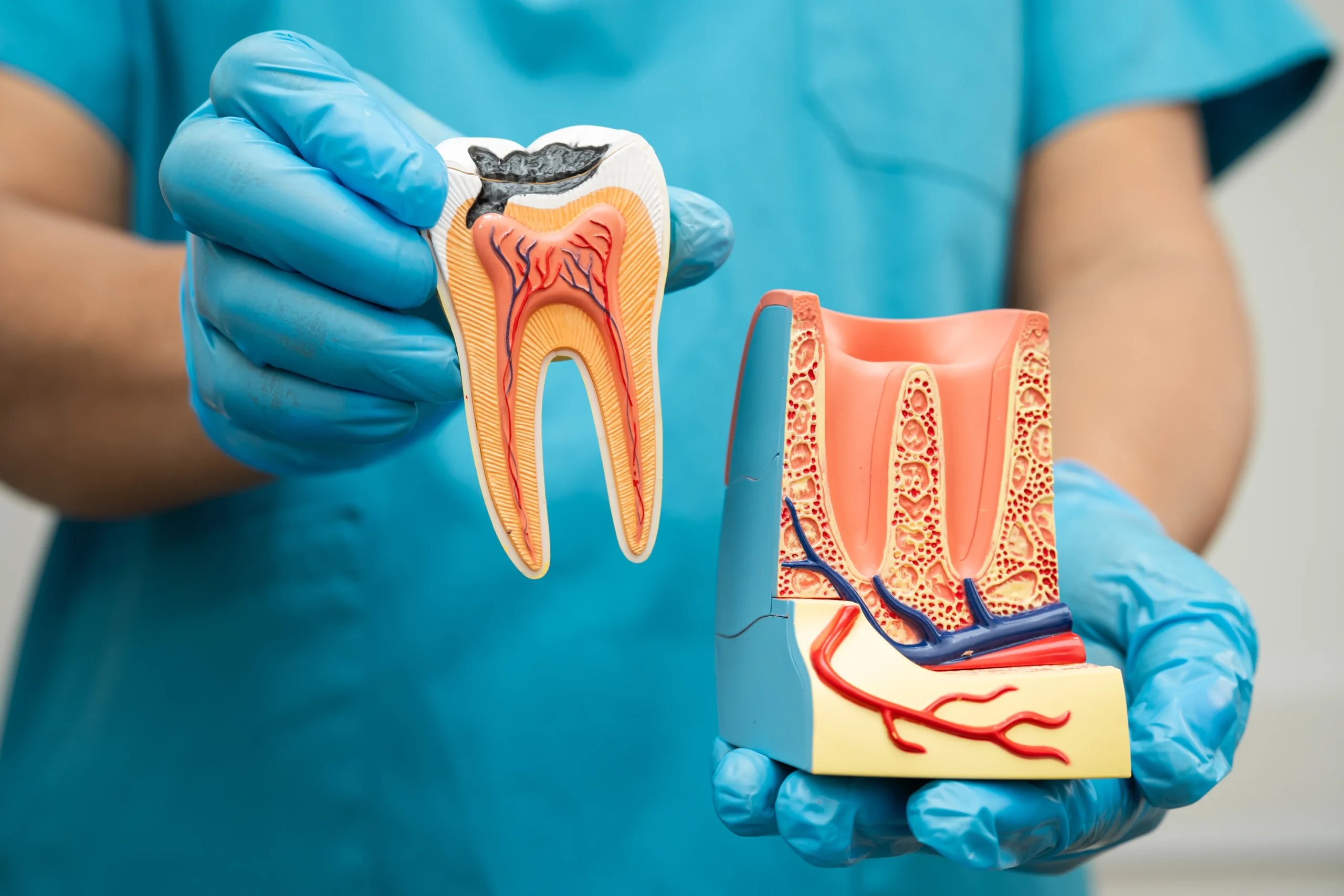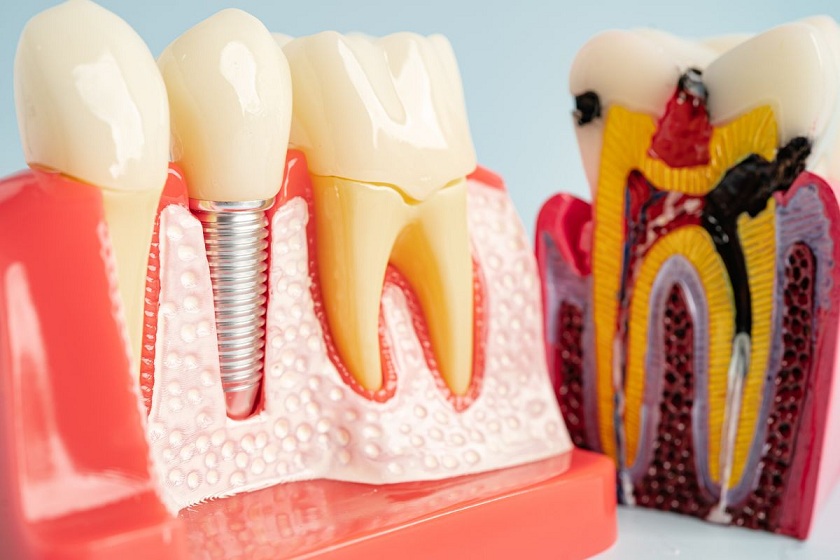

Tooth pain has a way of getting your attention fast. But not every ache means the same thing. In many cases, persistent pain or unusual sensitivity may be a warning sign that the inner part of your tooth—the pulp—has become infected. When this happens, a root canal may be the best way to relieve pain and save your natural tooth.
At Rocklin Comprehensive Dentistry, we often meet patients who waited longer than they needed to simply because they weren’t sure what their symptoms meant. The truth is that recognizing the early signs of infection can make treatment simpler and more comfortable.
Below are five common signs that may indicate you need a root canal treatment, along with tips on what to do next.
1. Persistent Tooth Pain That Won’t Go Away
Occasional tooth sensitivity can happen, but constant or throbbing pain is often a sign of something deeper.
Pain from an infected tooth pulp may:
- Feel sharp, dull, or throbbing
- Come and go but never fully disappear
- Spread to the jaw, ear, or nearby teeth
Many patients describe the pain as worsening when lying down or during quiet moments at night.
If tooth pain lingers for more than a few days, it’s important to schedule an exam. Early evaluation can determine whether a root canal or another treatment is needed.
2. Sensitivity to Hot or Cold That Lingers
Do you feel a sudden jolt when sipping hot coffee or drinking something cold? Temporary sensitivity is common, but long-lasting tooth sensitivity may indicate nerve damage inside the tooth.
Watch for symptoms such as:
- Pain that lasts several seconds or longer after exposure to heat or cold
- Increasing sensitivity over time
- Discomfort that becomes stronger rather than improving
When bacteria reach the pulp, inflammation can make the tooth extremely reactive to temperature changes.
3. Pain When Chewing or Biting
If chewing causes discomfort, your tooth may be under pressure from inflammation or infection.
Signs to watch for include:
- Pain when biting down
- Sensitivity when chewing certain foods
- A feeling of pressure in the tooth
This can occur when the infection spreads beyond the pulp and begins affecting surrounding tissues. Prompt care helps prevent further damage and protects the structure of the tooth.
4. Swollen or Tender Gums
Sometimes the symptoms of infection appear in the gums rather than the tooth itself.
You may notice:
- Swelling near the painful tooth
- Tenderness when touching the gum area
- A small bump on the gum (often called a dental abscess)
This bump can occasionally release fluid or cause a bad taste in the mouth. These signs often indicate that bacteria have created an infection that requires immediate attention.
Ignoring gum swelling can allow the infection to spread deeper into surrounding bone and tissue.
5. Tooth Discoloration or Darkening
Healthy teeth typically maintain a consistent color. If a tooth becomes gray, dark, or discolored, it may mean the inner tissue is damaged or dying.
This can happen due to:
- Trauma to the tooth
- Untreated decay
- Infection inside the pulp
While cosmetic treatments can improve surface stains, internal discoloration often requires treatment inside the tooth. A root canal procedure removes infected tissue and restores the health of the tooth.
Video source: American Association of Endodontists YouTube channel
Why Early Treatment Matters
Many people feel nervous when they hear the words “root canal,” but modern dentistry has changed the experience significantly.
Today’s root canal treatments are designed to:
- Relieve pain rather than cause it
- Remove infection safely
- Preserve your natural tooth
- Prevent more complex dental problems later
When treated early, most patients can return to normal activities the same day.
For many families in the local community, addressing tooth infections early helps avoid more extensive procedures like extractions or dental implants later.
What Happens During a Root Canal?
If your local dentist in Rocklin determines that a root canal is necessary, the procedure typically follows these steps:
- Examination and X-rays to confirm infection
- Local anesthesia to ensure comfort
- Removal of infected pulp from inside the tooth
- Cleaning and sealing the root canals
- Placement of a crown if needed to strengthen the tooth
The goal is simple: remove infection while preserving as much natural tooth structure as possible.
When Should You See a Dental Specialist?
If you notice any of the symptoms above, it’s best not to wait. Dental infections rarely heal on their own and can worsen over time.
Consider scheduling a dental visit if you experience:
- Tooth pain lasting more than a few days
- Swelling in the gums or jaw
- Sensitivity that becomes more intense
- Visible tooth discoloration
- Pain when biting or chewing
Prompt treatment can protect both your oral health and your overall well-being.
Frequently Asked Questions On Root Canal Treatment
Is a root canal painful?
Modern root canal procedures are typically no more uncomfortable than getting a filling. Local anesthesia ensures the area is numb, and most patients report immediate relief from infection-related pain.
How long does a root canal take?
Most root canal treatments can be completed in one appointment, usually lasting about 60–90 minutes depending on the tooth.
How long does a tooth last after a root canal?
With proper care and a protective crown, a tooth treated with a root canal can last many years or even a lifetime.
What happens if I delay treatment?
Delaying treatment can allow infection to spread to nearby teeth, bone, or gums. In advanced cases, the tooth may need to be extracted.