Having a tooth removed can feel stressful, especially when you’re unsure what the healing process should look like afterward. Many patients worry when they notice swelling, discoloration, or a hole where the tooth used to be. Questions like “Is my extraction site healing properly?” or “What does a dry socket look like?” are extremely common after dental extractions.
The good news is that most tooth extraction sites heal normally without complications. Understanding the different healing stages can help you recognize what’s expected, what’s temporary, and when it may be time to contact your dentist.
Whether you recently had a wisdom tooth removed or underwent a routine extraction, knowing what a normal socket looks like can make recovery much less stressful.
What Is a Tooth Extraction Socket?
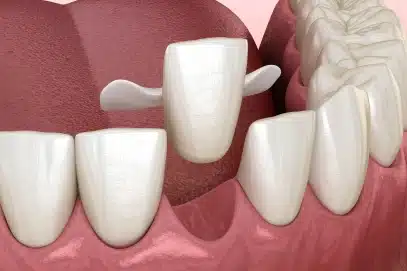
After a tooth is removed, the empty space left behind is called the extraction socket. This socket includes the surrounding gum tissue, bone, blood vessels, and nerves that supported the tooth before removal.
Immediately after the extraction, your body begins a natural socket healing process to protect the area and rebuild tissue. The first and most important step is the formation of a blood clot inside the socket. This clot acts as a protective layer that covers the exposed bone and nerves while healing begins underneath.
Without this clot, the area becomes vulnerable to irritation, infection, and complications like dry socket.
Tooth Extraction Healing Stages
Healing the socket after a tooth extraction happens gradually over several weeks. Every patient heals at a slightly different pace, but most people follow a similar timeline.
Understanding these healing stages helps you know what’s considered normal during recovery.
Stage 1: The First 24 Hours
During the first day after the extraction, the main goal is stopping the bleeding and forming a stable blood clot.
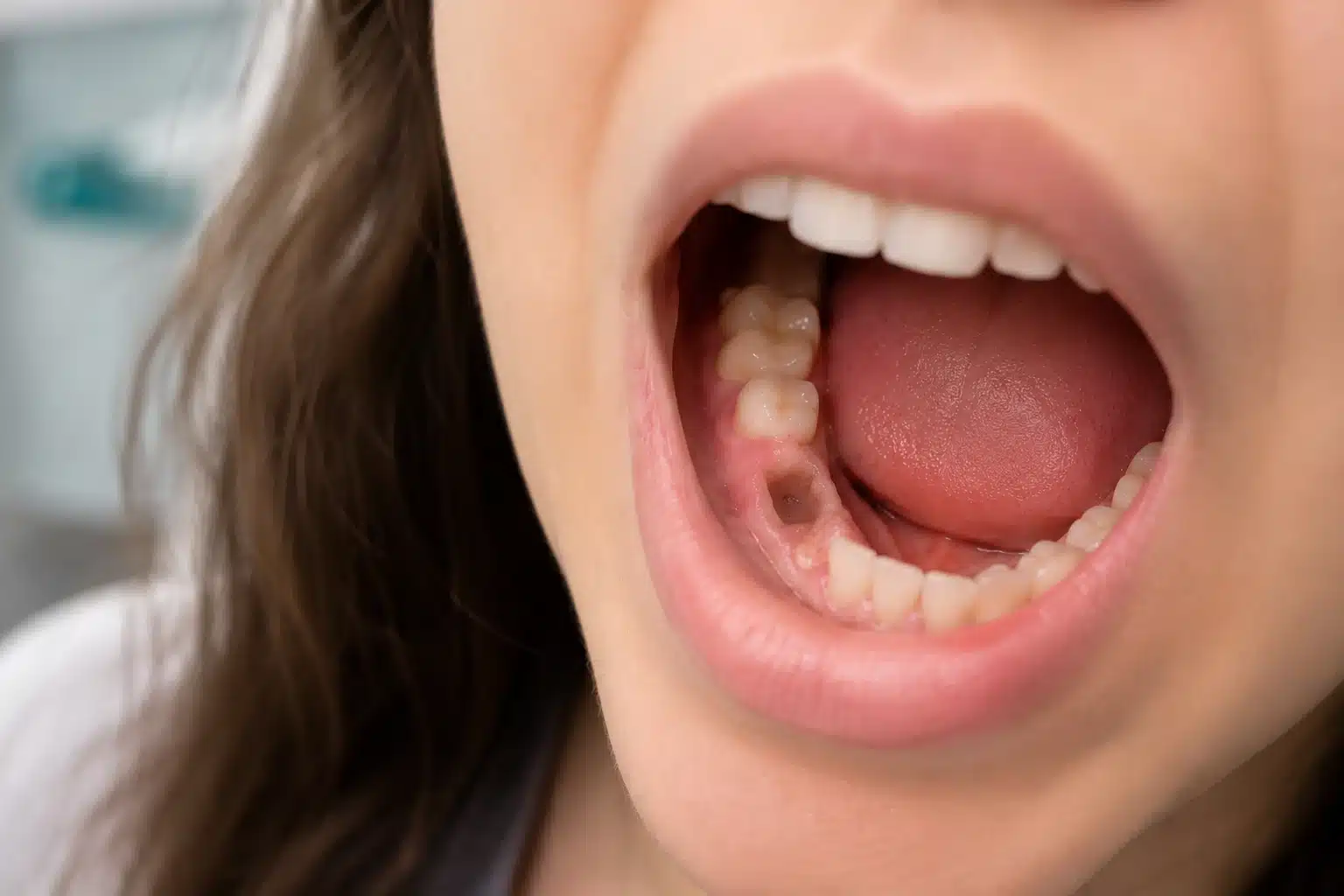
A healthy socket at this stage typically looks:
- Dark red or deep maroon in color
- Slightly swollen
- Moist due to blood clot formation
Mild bleeding or oozing is normal during the first several hours. Some tenderness, swelling, and jaw stiffness may also occur.
It’s important not to disturb the clot during this period. Activities like spitting forcefully, drinking through a straw, or smoking can dislodge the clot and delay healing.

Days 2 to 3 : Initial Healing Starts
By the second or third day, the blood clot becomes more organized and healing tissue starts developing around the socket.
At this point, you may notice:
- Reduced bleeding
- White or yellow tissue forming over the socket
- Mild swelling around the gums
- Slight soreness or discomfort
Many patients worry when they see white material in the extraction site. In most cases, this is a normal socket healing layer called granulation tissue, which helps protect the wound while new tissue forms.
Swelling often peaks around day two or three before gradually improving.
Days 4 to 7 : Healing Tissue Begins to Form
During this stage, the gums begin closing over the socket more noticeably. Discomfort should continue decreasing, and daily activities become easier for most patients.
A normal socket after tooth extraction may look:
- Pink around the edges
- Less swollen
- Smaller in size compared to earlier days
- Covered with healing tissue
The socket itself may still appear slightly hollow, which is completely normal. Many people expect the hole to disappear immediately, but the deeper tissues take longer to rebuild.
Weeks 2 to 4 : Gradual Socket Closure Starts
By the second or third week, soft tissue healing is usually well underway. The gums continue closing, and most tenderness is gone.
At this stage:
- The socket appears smaller
- Gum tissue looks healthier and pinker
- The area feels more comfortable during eating and brushing
Even though the gums look mostly healed on the surface, deeper bone healing continues underneath for several months.
What Does a Normal Socket After Tooth Extraction Look Like?
A normal healing socket changes appearance throughout recovery, which can confuse many patients. However, there are several signs that usually indicate healthy healing.
Common signs of normal healing include:
- Mild swelling that improves over time
- Pink gum tissue around the socket
- White or yellow healing tissue
- Slight tenderness during the first few days
- Gradual reduction in socket size
It’s also normal for the extraction site to appear slightly uneven or hollow during the healing process. Bone and tissue remodeling takes time.
As long as the discomfort steadily improves and there are no signs of infection, the socket is usually healing properly.
What Does a Dry Socket Look Like?
Dry socket is one of the most common complications after tooth extraction, especially following wisdom tooth removal. It happens when the protective blood clot either dissolves too early or becomes dislodged from the socket.
Without the clot, the underlying bone and nerves become exposed.
A dry socket often looks:
- Empty or partially empty
- White or pale due to exposed bone
- Deep and hollow without a visible blood clot
Unlike normal healing, dry socket is usually accompanied by significant pain that worsens several days after the extraction instead of improving.
Common Dry Socket Symptoms
Recognizing the dry socket symptoms early can help you seek treatment quickly and reduce discomfort.
Signs of dry socket may include:
- Severe throbbing pain
- Pain radiating to the ear or jaw
- Bad breath or unpleasant taste
- Visible exposed bone inside the socket
- Increased pain several days after extraction
Mild soreness is normal after extractions, but intense pain that suddenly worsens is not.
What Causes Dry Socket?
Several factors can increase the risk of dry socket by disturbing the blood clot during healing.
Common causes include:
- Smoking or tobacco use
- Drinking through straws
- Aggressive rinsing or spitting
- Poor oral hygiene
- Difficult wisdom tooth extractions
Following your dentist’s aftercare instructions carefully greatly reduces the risk of complications.
How to Care for a Normal Socket
Proper aftercare is essential for healthy healing and preventing dry socket.
Protect the Blood Clot
The blood clot is the foundation of healing socket after tooth extraction. During the first few days, avoid anything that could disturb it.
Avoid:
- Smoking
- Using straws
- Vigorous rinsing
- Touching the socket with fingers or tongue
Protecting the clot allows the healing tissues underneath to develop normally.
Keep the Area Clean
Although you should avoid aggressive rinsing at first, keeping the mouth clean is still important.
Brush carefully around the extraction site. Brushing aggressively near the socket can irritate the healing tissue, cause bleeding, or even loosen the protective clot. Instead of brushing directly over the extraction site, carefully clean the surrounding teeth using a soft-bristled toothbrush
Rinse gently with warm salt water after 24 hours. After the first 24 hours, rinsing your mouth lightly with warm salt water can help keep the area clean and reduce bacteria without causing irritation. The salt water also helps soothe the gums and support natural healing.
Eat Soft Foods
Your diet plays a major role in recovery during the first several days. Choosing the right foods after wisdom teeth removal or a normal tooth extraction can make healing more comfortable. During the first few days, it’s best to stick with soft, easy-to-chew foods that won’t irritate the healing socket or disturb the blood clot. Some of the best foods to eat after tooth extraction include lukewarm soups and broths, applesauce, mashed avocado, Greek yogurt, and scrambled eggs. Avoid crunchy, spicy, or hard foods until your dentist confirms the extraction site is healing properly.
Soft foods that are easier on the socket include:
- Yogurt
- Mashed potatoes
- Applesauce
- Scrambled eggs
- Smoothies without straws
- Oatmeal
Crunchy, spicy, or hard foods can irritate the extraction site and should be avoided initially.
Manage Swelling Properly
Swelling is a normal part of healing after tooth removal.
To reduce swelling:
- Apply ice packs during the first 24 hours
- Keep your head elevated
- Rest and avoid strenuous activity
Swelling usually improves significantly after the third day.
When Should You Contact Your Dentist?
Although most extraction sites heal normally, some symptoms should not be ignored.
Contact your dentist if you notice:
- Severe or worsening pain
- Persistent bleeding
- Fever or signs of infection
- Excessive swelling
- Pus or foul odor from the socket
- Difficulty swallowing or breathing
Early treatment can prevent complications from becoming more serious.
Final Thoughts
Healing after a tooth extraction can feel unfamiliar, but most sockets heal normally with proper care and patience. Understanding the tooth extraction healing stages helps you recognize what’s expected during recovery and when something may require attention.
A normal socket after tooth extraction often includes mild swelling, healing tissue, and gradual closure over time. In contrast, dry socket usually involves worsening pain and visible loss of the protective blood clot.
The key to a smooth recovery is protecting the clot, keeping the area clean, and following your dentist’s instructions carefully. If you ever feel unsure about how your extraction site looks or feels, contacting your dental office can provide reassurance and help prevent complications before they worsen.
FAQs About Normal Socket After Tooth Extraction
What are the warning signs of complications after a tooth extraction?
Ongoing or increasing pain, foul-smelling breath, fever, excessive swelling, or pus-like drainage can be signs that the extraction site is not healing properly. If you notice unusual symptoms or your condition is getting worse instead of better, contact your dentist as soon as possible.
What does it mean to have a dry socket after a tooth extraction?
Dry socket is a common complication that can occur after a tooth is removed. It happens when the protective blood clot in the extraction area does not develop properly or is accidentally dislodged too soon. As a result, the bone and nerve endings become exposed, causing intense discomfort and delaying the healing process.
What does normal healing look like after a tooth extraction?
After a tooth extraction, it is normal to experience slight pain, minor swelling, and tenderness around the extraction site. These symptoms usually improve gradually over the first few days as the area heals. However, if the discomfort becomes more severe or does not improve, you should contact your dentist for evaluation.
What should you not do after having a tooth removed?
Following a tooth extraction, it is important to avoid habits that can interfere with healing. Smoking, drinking through a straw, forceful spitting or rinsing, and eating crunchy or hard foods can disturb the blood clot and increase the risk of developing a dry socket.