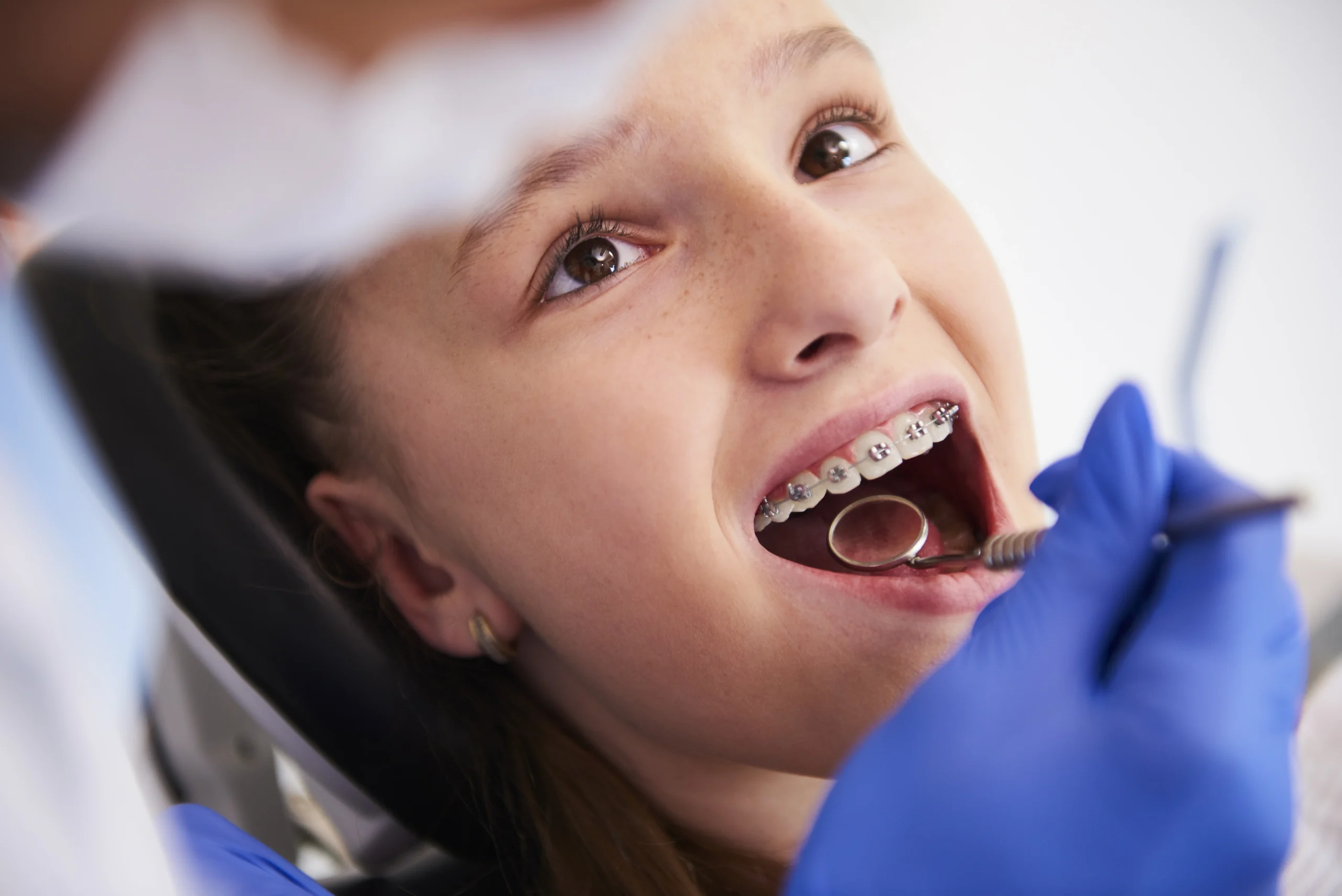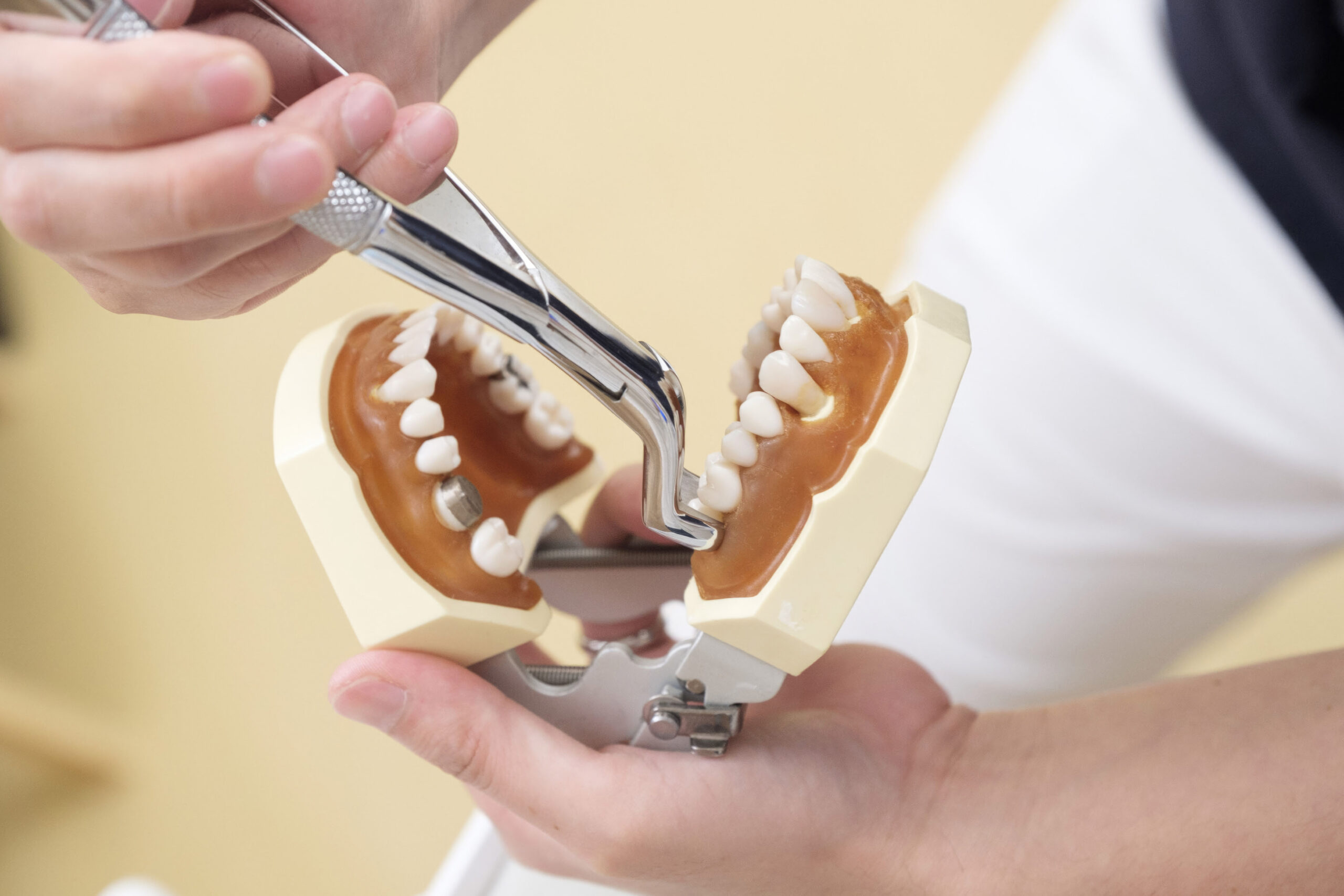
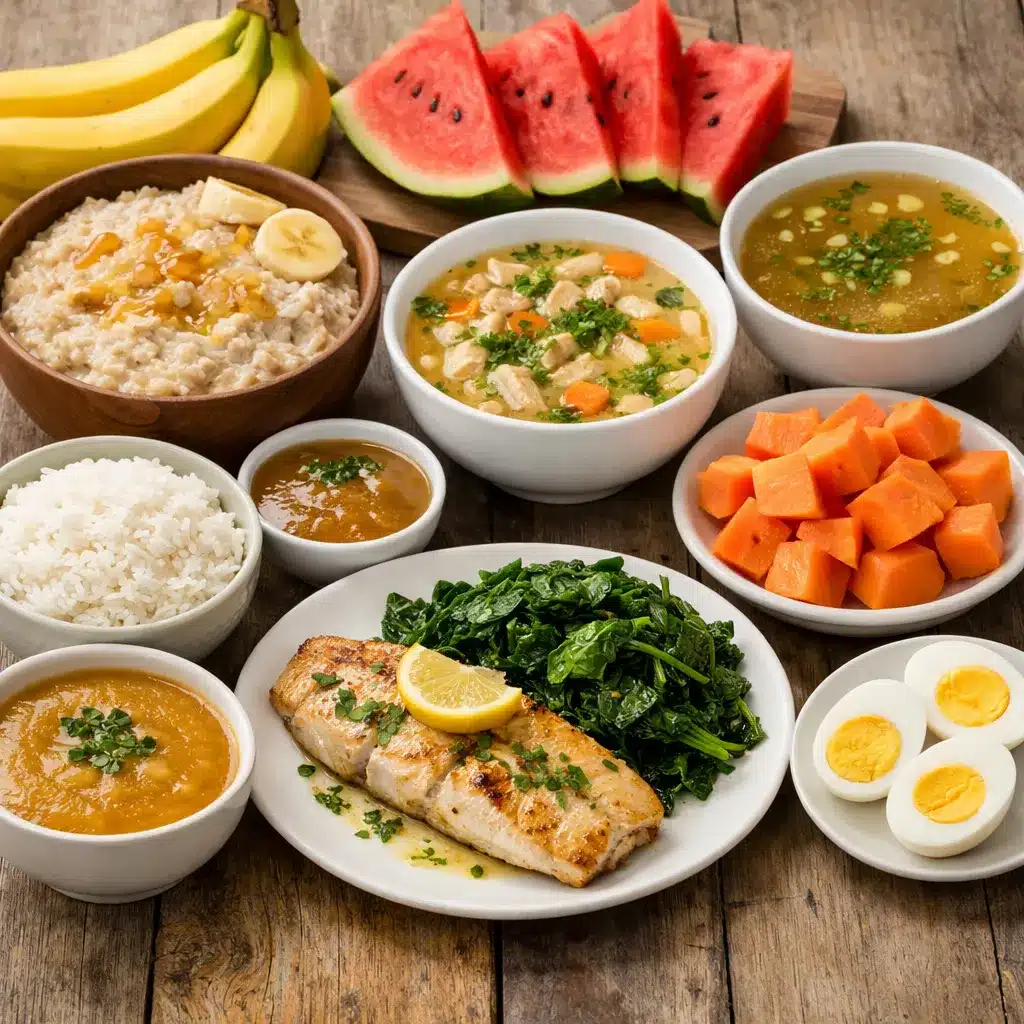
Healing after wisdom teeth removal can take several weeks, and proper care plays a key role in a smooth recovery. Following a dentist-recommended diet plan is essential, as your mouth and gums are often sensitive after the procedure. Choosing the right foods during this time helps protect the surgical site, supports healing, and reduces the risk of complications.
Why Choosing the Right Foods Matters
After surgery, your mouth is sensitive, and a protective blood clot forms at the extraction site. This clot is vital for healing, and disturbing it can lead to complications like dry socket.
That’s why sticking to soft, easy-to-eat foods is recommended in the initial days. Gentle foods reduce pressure on the gums and minimize the risk of discomfort or injury.
Hydration is important, but avoid drinking through a straw. The suction can dislodge the healing blood clot and increase the risk of dry socket, as noted by the Mayo Clinic. Instead, drink from a glass and choose water or non-carbonated, caffeine-free beverages.
Understanding Wisdom Teeth Extraction and Recovery
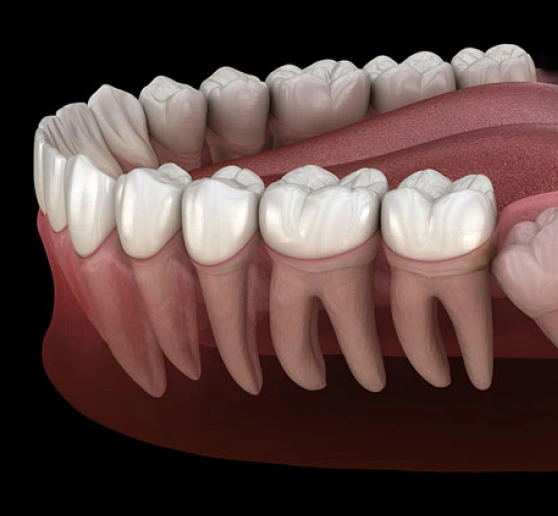
Wisdom teeth are the final set of molars (also known as third molars) that usually appear in your late teens or early twenties (between the ages of 17 and 25). The American Association of Oral and Maxillofacial Surgeons advises removing wisdom teeth if there is infection, gum disease, dental pain, severe decay, damage to neighboring teeth, or cysts or tumors. Extraction is also recommended if an impacted tooth is harming nearby teeth.. The procedure can range from simple extraction to more complex surgical removal, depending on the position of the tooth and root development.
Because the process can involve the gums and surrounding bone, it’s normal to experience swelling, tenderness, jaw stiffness, and mild bruising afterward. These symptoms can temporarily affect your appetite. So it essential to adjust your diet during recovery.
This is where knowing what to eat after removing wisdom teeth becomes especially important. Choosing the right foods helps protect the healing area, reduces irritation, and supports faster recovery.
How Long After Wisdom Teeth Removal Can You Eat
Most people are able to eat a few hours after the procedure, once the numbness from anesthesia has completely worn off. It’s best to begin with soft, bland foods that don’t require much chewing. Eating too early or choosing foods that are hot, spicy, or crunchy can irritate the area, cause discomfort, or slow down healing.
In the first 24 hours, stick to liquids and very soft foods. Avoid using straws, as the suction can disturb the blood clot and delay recovery. As the days pass and you start feeling better, you can slowly add more foods back into your diet.
First Week After Extraction – Soft and Gentle Foods
- Lukewarm soups and broths
- Applesauce
- Mashed avocado
- Greek yogurt
- Scrambled eggs
- Smoothies (without seeds and no straw)
- Ice cream (in moderation)
- Vegetable soup
- Soft pancakes
- Cold mashed bananas
- Mashed pumpkin
These foods are easy on your mouth and provide essential nutrients without requiring much chewing.
What are the Best Foods to Eat After Wisdom Teeth Removal?
Video source: The American Association of Oral and Maxillofacial Surgeons (AAOMS)
When deciding what to eat after removing wisdom teeth, focus on foods that are soft, nutritious, and easy to swallow. As your healing progresses, you can include a wider variety of soft foods that support recovery:
1. Mashed Potatoes
Mashed potatoes are a comforting and filling option when considering food to eat after wisdom teeth are removed. Their smooth texture makes them easy to eat and gentle on sensitive gums without causing discomfort.
2. Fruits Like Bananas, Watermelon and Papaya
Bananas are a great post-surgery option thanks to their soft texture and versatility, making them easy to eat without irritating sensitive gums. Watermelon is also a good choice, as it has high water content that helps keep you hydrated while providing a refreshing and healthy option during recovery.
3. Oatmeal and Well-cooked Semi-liquid Rice
Oatmeal is rich in fiber, which supports digestion and helps keep you full. Its soft, smooth texture makes it a comfortable option for freshly treated mouths. Well-cooked rice is also a good option after wisdom teeth extraction. When rice is cooked until very soft, it becomes semi-liquid and requires minimal chewing. This reduces pressure on your gums and tooth roots, helping to prevent discomfort. The main purpose is to allow your gums and teeth to heal properly.
4. Plant-Based Choices
Hummus offers protein and a creamy texture, making it a great snack or light meal.
5. Quinoa
When cooked until soft, quinoa becomes a highly nutritious option rich in protein, making it an excellent choice to support healing after dental procedures.
6. Soups and Broths
When deciding what to eat after removing wisdom teeth, soups and broths are among the best choices. They offer essential nutrients and have a soft texture that won’t irritate the healing area. Just make sure they are lukewarm, as hot liquids can interfere with the recovery process.
7. Fish
Lean protein options like fish are a great addition to your diet after wisdom teeth removal, as long as they are prepared without strong spices or seasonings that could irritate sensitive gums.
8. Eggs
Eggs—especially when scrambled or boiled—are an excellent post-procedure food thanks to their high protein content and soft texture, which makes them easy to eat with very little chewing.
9. Ice Cream
Although it should be enjoyed in moderation due to its sugar content, ice cream is a popular choice after surgery because its cold temperature can help soothe pain and reduce swelling.
By focusing on these foods, you can make your recovery smoother while still maintaining a balanced diet.
What Not To Eat After Wisdom Teeth Removal
Just as important as knowing what to eat after tooth extraction is understanding what not to eat after wisdom teeth removal:
1. Avoid Very Hot Foods
High temperatures can interfere with the healing process and may disturb the protective blood clot. Hot coffee and tea should be avoided. It’s best to wait until foods and drinks cool down to room temperature before consuming them.
2. Avoid Spicy Foods
Spicy foods are another major “no-go” after an extraction. While those bold flavors might be tempting, it’s important to keep in mind that spices can trigger inflammation and increase discomfort—especially in sensitive areas like your healing surgical site.
3. Avoid Sticky Foods
You might find yourself craving chocolate or sweet treats—sticky caramel can be especially tempting—but hold on! Foods with a sticky texture can cling to the extraction site or get caught in stitches, making recovery more difficult. It’s best to avoid these treats until your mouth has fully healed.
4. Avoid Hard or Crunchy Foods
After wisdom teeth removal, your diet should focus on softer options like those recommended earlier in this guide. This is important because hard or crusty foods—such as candies or bread with tough edges—can irritate sensitive gums, cause discomfort, and in some cases even disturb the protective blood clot around the healing area.
5. Avoid Alcohol, Smoking & Carbonated Drinks
Alcohol should be avoided after surgery, as it can increase the risk of bleeding and interfere with prescribed medications. Caffeine may lead to dehydration, which can slow down the healing process. Carbonated drinks can also pose a risk by disturbing the blood clot at the extraction site, potentially leading to dry socket—a painful condition that requires prompt dental care if not treated in time.
When Can You Eat Pizza After Wisdom Teeth Surgery

Typically, you may be able to eat pizza about 10 to 14 days after wisdom teeth removal, depending on how well your mouth is healing. However, this can vary from person to person. If your dentist or oral surgeon has given you specific aftercare instructions, it’s important to follow them closely. Before reintroducing pizza, ensure that swelling has reduced, pain is minimal, and you can comfortably chew without irritation.
After an extraction, your mouth needs time to heal, and the surgical site is protected by a delicate blood clot. Disrupting this clot too soon—by eating hard, chewy, or hot foods like pizza—can lead to a painful condition known as dry socket.
In the first few days after surgery, your diet should be limited to soft, easy-to-eat foods such as mashed potatoes, yogurt, smoothies, and soups. Pizza, with its chewy crust, melted cheese, and often hot temperature, is not suitable during this early stage. The crust can be too hard to chew, while sticky cheese may pull at the healing area or get lodged in the extraction site.
In summary, while pizza is not off-limits forever, patience is key. Waiting at least a week or until your dentist confirms proper healing will help you enjoy your favorite food without risking complications.
Smart Eating Tips After Wisdom Teeth Removal
Understanding what to eat after removing wisdom teeth also includes how you eat:
- Take small bites and eat slowly
- Avoid chewing near the extraction site
- Stick to soft textures in the early days
- Gradually introduce semi-soft foods as you heal
- Pay attention to your comfort level before progressing
Your body will signal when it’s ready for more solid foods, so don’t rush the process.
Transitioning Back to a Normal Diet
As healing improves, you can slowly reintroduce semi-soft foods and eventually return to your regular diet. This usually happens within 7–10 days, depending on your recovery.
Start with:
- Soft vegetables
- Pasta
- Rice
- Tender proteins
If you feel discomfort at any stage, go back to softer foods and progress gradually.
Final Thoughts
Knowing what to eat after removing wisdom teeth can make a significant difference in how quickly and comfortably you recover. A soft, balanced diet not only protects the surgical site but also provides the nutrients your body needs to heal.
By making smart food choices and avoiding harmful options, you can ensure a smoother recovery and get back to your normal routine with ease.
FAQs On Wisdom Teeth Surgery
Can I eat pizza after wisdom teeth removal?
No! It’s best to hold off for now. Give it about 10–14 days before eating pizza, as the crust and toppings can irritate the healing area.
Can I drink coffee after wisdom teeth removal?
Yes, but it’s best to wait at least 24 hours. Make sure the coffee isn’t too hot, as heat can interfere with proper healing of the blood clot.
Can I eat meat after wisdom teeth removal?
It’s best to avoid meat right after the procedure. You should wait at least 2–3 weeks, as your gums will be sensitive and need time to heal before handling tougher, chewy foods.
Can you drink alcohol after wisdom teeth removal?
No, it’s best to avoid alcohol right after the procedure. Dentists typically recommend waiting at least 7–10 days, as alcohol can interfere with healing and may dislodge the protective blood clot.
Can I eat bread after wisdom teeth removal?
Yes, you can eat soft white bread after about 4–5 days. Make sure it’s without crust, as toasted or hard bread may irritate the healing area.
Can I eat sticky food after wisdom teeth removal?
Sticky foods should be avoided for at least 1–2 weeks, as they can disturb the stitches or loosen the clot and slow healing.
Can I eat salad after wisdom teeth removal?
Avoid salad for the first 5–7 days. Leafy greens can easily get trapped in the extraction site and slow down recovery.
Can I eat cake after wisdom teeth removal?
Yes, you can eat moist cake after about a week. Avoid cakes with nuts or hard chunks that may irritate the area.