
A persistent toothache can make even the simplest parts of your day uncomfortable. Drinking coffee, enjoying a meal, or concentrating at work can quickly become difficult when dental pain refuses to go away. In many cases, this type of discomfort signals that an infection has reached the inner portion of the tooth.
Fortunately, modern dentistry offers a reliable solution that focuses on preserving your natural smile rather than removing the tooth. With timely treatment, dentists can eliminate the infection, relieve pain, and restore the tooth’s strength and function.
At Rocklin Comprehensive Dentistry, patients receive compassionate care and advanced treatment options designed to protect their long-term oral health. One of the most effective ways dentists address deep tooth infections is through root canal therapy, a procedure that removes infected tissue while preserving the structure of the natural tooth.
Understanding how this treatment works can help you feel more confident if your dentist recommends it.
Why Severe Tooth Pain Happens
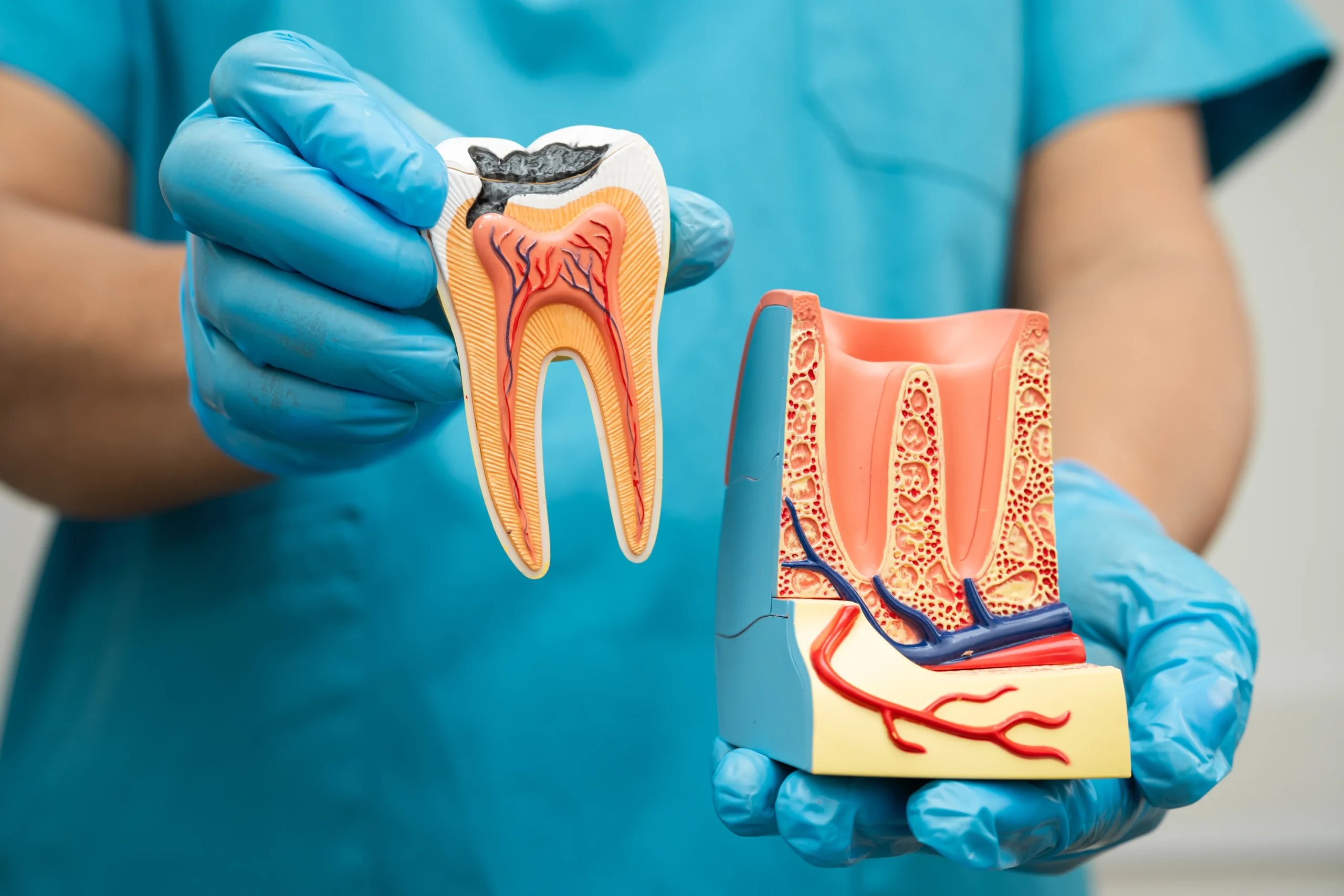
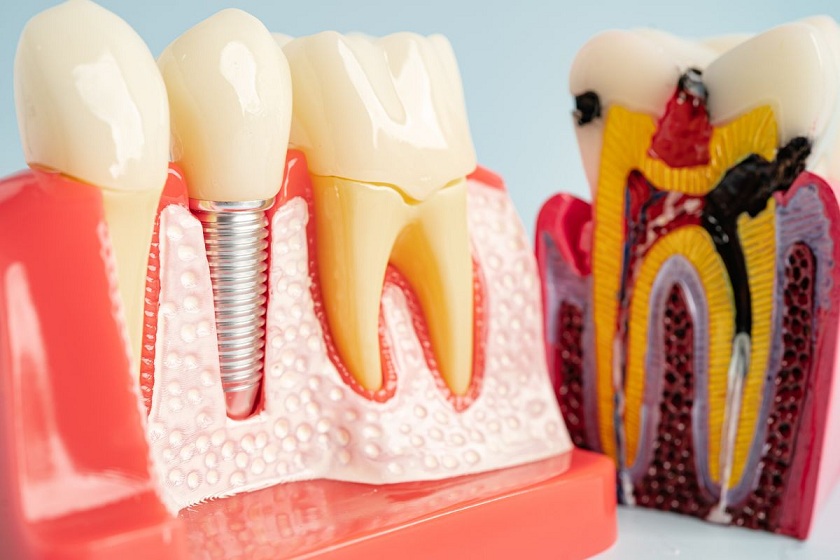
Inside every tooth is a soft tissue called the pulp, which contains nerves and blood vessels that help the tooth develop and stay healthy. When bacteria enter the pulp—often through deep cavities, cracks, or trauma—the tissue can become inflamed or infected. Recognizing the signs you may need a root canal is important because this infection is often the cause of severe tooth pain and discomfort.
Common signs you may need a root canal include:
- Persistent or throbbing tooth pain
- Sensitivity to hot or cold foods and drinks
- Pain when chewing or biting
- Swelling or tenderness in the gums
- Darkening or discoloration of the tooth
Without treatment, the infection can spread to surrounding tissues and may eventually lead to tooth loss. Identifying the signs you may need a root canal early and seeking prompt dental care can help prevent complications and preserve your natural tooth.
How Dental Specialist Eliminate Infection and Preserve the Tooth
Many patients are surprised to learn that the goal of modern dental care is almost always to save the tooth whenever possible. Removing a tooth can affect bite alignment, chewing ability, and overall oral health.
The treatment used to address infected pulp works through a series of careful steps designed to remove bacteria and restore the tooth.
Video source: UIC College of Dentistry YouTube channel
1. Thorough Examination
Your dentist begins by examining the tooth and reviewing digital X-rays. This helps determine the severity of the infection and whether the tooth can be restored.
2. Gentle Numbing
Local anesthesia is used to keep the area comfortable during treatment. Most patients report that the procedure feels similar to getting a dental filling.
3. Removing the Infected Tissue
A small opening is made in the tooth to reach the pulp chamber. The infected tissue is carefully removed to eliminate the source of pain and bacteria.
4. Cleaning and Disinfecting the Canals
Special instruments are used to clean the small canals inside the tooth. This step removes any remaining bacteria and prepares the space for sealing.
5. Sealing the Tooth
After cleaning, the canals are filled with a safe dental material and sealed to prevent bacteria from re-entering the tooth.
6. Strengthening the Tooth
In many cases, a dental crown is placed afterward to restore the tooth’s strength and protect it from future damage.
Through these steps, root canal therapy allows dentists to relieve pain while preserving the natural tooth.
Why Saving the Natural Tooth Is Important
Many people wonder why dentists prefer saving a tooth instead of removing it. Preserving your natural tooth provides several important benefits.
Maintains Proper Bite Alignment
Each tooth helps maintain the balance of your bite. When a tooth is removed, nearby teeth can shift, which may lead to alignment problems.
Supports Normal Chewing
Once restored with a crown, the treated tooth functions just like the surrounding teeth, allowing you to eat comfortably.
Protects Jawbone Health
Tooth roots stimulate the jawbone. When a tooth is lost, the bone may gradually shrink over time. Keeping the tooth helps maintain bone strength.
Avoids Additional Procedures
Extraction often requires further treatment such as dental implants or bridges to replace the missing tooth. Preserving the natural tooth can prevent these extra procedures.
Modern Treatment Is More Comfortable Than Many People Expect
The reputation of this procedure often causes unnecessary anxiety. In reality, modern techniques and improved anesthesia make the experience far more comfortable than most people imagine.
In fact, the treatment actually relieves the pain caused by infection, rather than causing it. Many patients feel immediate relief once the infected tissue is removed.
Dentists today use advanced technology and precise instruments that allow for efficient and predictable results.
Signs You Should Schedule a Dental Visit
Tooth infections rarely heal on their own. If you notice ongoing discomfort, it is important to seek professional care.
You should schedule a dental appointment if you experience:
- Tooth pain that lasts more than a day or two
- Lingering sensitivity after eating or drinking
- Swelling or tenderness in the gums
- Pain when biting down
- A small bump or pimple-like swelling on the gum
Prompt evaluation helps determine the cause of the pain and allows your dentist to treat the issue before it worsens.
Trusted Dental Care for the Local Community
Residents in the area value convenient, reliable healthcare providers who understand the needs of the community. At Rocklin Comprehensive Dentistry, the focus is on delivering patient-centered care in a welcoming environment.
From preventive visits to advanced restorative treatments, the team is committed to helping individuals and families maintain healthy smiles. Modern technology, personalized treatment planning, and clear communication help ensure patients feel informed and comfortable throughout their dental experience.
For many local families, having a trusted dentist in Rocklin and nearby areas means dental problems can be addressed quickly before they become more serious.
Caring for Your Tooth After Treatment
Once the tooth has been restored, maintaining good oral hygiene helps protect your smile and prevent future infections.
Helpful habits include:
- Brushing twice a day with fluoride toothpaste
- Flossing daily to remove plaque between teeth
- Attending routine dental cleanings and exams
- Avoiding chewing hard objects like ice or pens
- Wearing a nightguard if you grind your teeth
With proper care, a treated tooth can last for many years and continue functioning normally.
Don’t Ignore Tooth Pain
Tooth pain is often a warning sign that something is wrong. Ignoring the problem can allow the infection to spread and make treatment more complicated.
If you are experiencing ongoing discomfort or sensitivity, the best step is to schedule a professional evaluation. Early care can often save the tooth and prevent more extensive procedures.
The experienced team at Rocklin Comprehensive Dentistry is dedicated to helping patients restore their comfort and protect their natural smiles.
Schedule an appointment today and take the first step toward lasting relief and better oral health.
Frequently Asked Questions
Is the procedure painful?
Most patients are surprised by how comfortable the treatment is. Local anesthesia numbs the area, and the procedure actually eliminates the pain caused by infection.
How long does the treatment take?
Many procedures can be completed in one or two visits, depending on the complexity of the tooth and whether a crown is required afterward.
Can the tooth last a long time after treatment?
Yes. With proper restoration and regular dental care, a treated tooth can last for many years, and in many cases a lifetime.
What happens if the infection is not treated?
Untreated infections can spread to surrounding tissues, damage the jawbone, and eventually lead to tooth loss. Prompt treatment helps prevent these complications.