Have you experienced a toothache after a root canal that you thought was permanent relief? This might sound bizarre, but it actually happens more often than people think. Even though the procedure occurred years ago, there are some cases in which the tooth can be treated again. If you’re in Rocklin, CA, and experiencing pain in a tooth that once had a root canal, you’re not alone, and we can help you here at Rocklin Comprehensive Dentistry. So, what’s the reason behind this, and what can be done to fix the problem?
The idea of this blog is to take you through the reasons you might need to have your root canal redone, even though you thought you had overcome the problem a few years ago. Whether you are currently experiencing problems or not, we will take you through everything you need to know.
Understanding the Root Canal Procedure
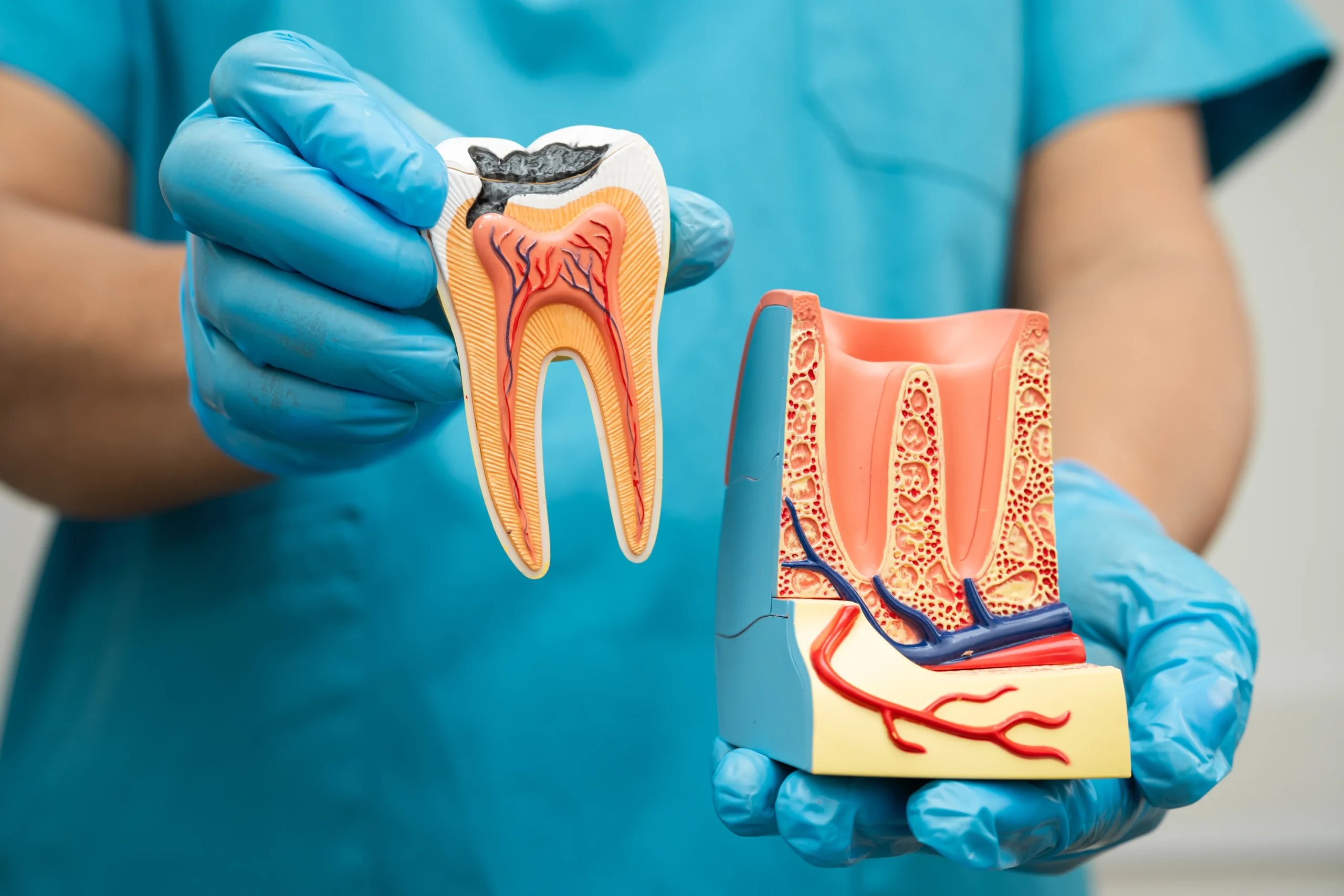
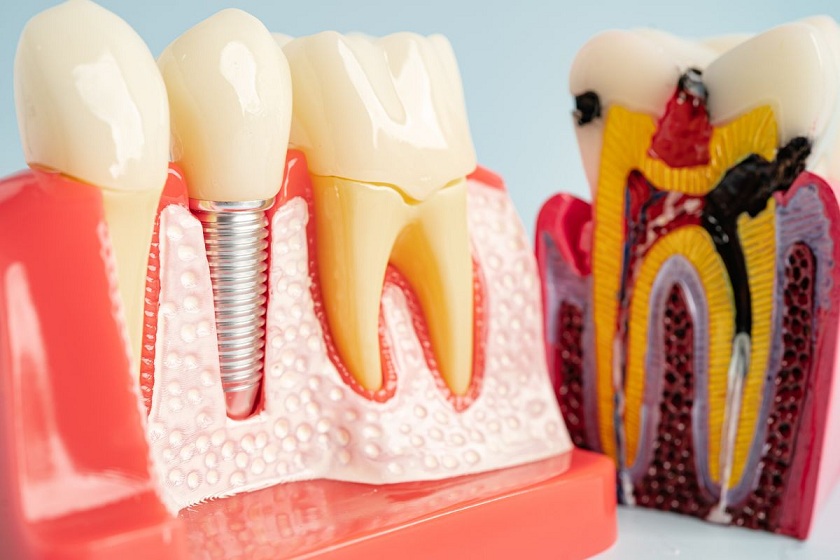
A root canal procedure, or “root canal” for short, is a procedure used to treat infections of the pulp of a tooth. The treatment of a root canal aims to save a tooth from a condition that may otherwise require extraction. A tooth may undergo this procedure due to pulp infection or damage.
Typically, patients get instant relief from pain and discomfort. Often, root canal therapy in Rocklin, CA can be expected to last for ‘years and even decades’ without any problem. Nevertheless, some patients undergo such extensive treatment and end up requiring retreatment. Let’s examine why.
Reasons for Root Canal Retreatment
1. New Infection or Bacteria
Sometimes, a root canal may not completely remove all the bacteria from within the tooth. This may occur particularly when the infection was severe to begin with. Over time, leftover bacteria can multiply, leading to a new infection. In such cases, the tooth may begin to hurt again, and retreatment may be required.
2. Cracks or Breaks in the Tooth
This will only treat the infection in the tooth’s pulp. It will not treat problems such as cracks or fractures. If a tooth develops a crack over time, it may be caused by chewing on something hard or by a blow to the mouth. Even a successful root canal procedure will not prevent a new infection if a tooth cracks and allows new bacteria to enter.
3. Failed Filling or Crown
Once the root canal is performed, it is usually filled and crowned to prevent further oral damage. When a filling or crown covering a tooth becomes loose, cracked, or falls off, it can allow bacteria back into the tooth, necessitating retreatment.
4. Complex Root Canals
In addition, some teeth have multiple roots, making it very difficult to clean all the canals. Therefore, if a root canal procedure is performed but not all canals are cleaned, bacteria will have an area to multiply, which could eventually lead to an infection.
5. Delayed or Incomplete Healing
In some cases, however, complications can arise during the healing process after a root canal. Occasionally, the tissues around the treated tooth may not heal as expected due to factors like poor blood supply, leading to persistent discomfort, and consequently requiring another root canal treatment.
How to Know If You Need Retreatment
If you have had root canal therapy in Rocklin, CA, and notice a recurrence of pain, contact your dentist immediately. This may arise when you start to show symptoms such as:
- Persistent/New Pain: If your tooth continues to hurt, especially when you eat or touch it, this could indicate that an infection has returned.
- Swelling or Tenderness: Swelling around the affected tooth or in the gums may indicate an ongoing problem.
- Discoloration: In case of discoloration of the tooth, it may be a sign of an underlying infection or complication that has not been resolved.
- Sensitivity to Temperature: If temperature sensitivity is experienced in a tooth that has already been treated, this could indicate a problem.
What to Expect During Retreatment
If you need to have a root canal retreatment, there’s nothing to fear. It’s essentially like a traditional root canal, but there are a few additional steps. Your dentist will start again by opening your tooth to remove the old filling. Next, your tooth will be cleaned and sanitized to remove any leftover bacteria. If there’s a new infection, that will be cleaned out too. Finally, your tooth will be sealed again, and you may need another new filling or crown.
Generally, the procedure is effective, providing long-lasting relief, as with the first procedure. In fact, if a tooth has undergone multiple treatments with less-than-desirable outcomes, the final solution may be to extract it.
Why Choose Rocklin Comprehensive Dentistry for Retreatment?
At Rocklin Comprehensive Dentistry, it is clear that there is some level of anxiety always associated with dental procedures, and we are available to walk you through the entire process. Our dental team is skilled and qualified to perform root canal therapy in Rocklin, CA, including retreatment. If you are from Rocklin, CA, or the surrounding areas, we are available and ready to provide comfortable, compassionate service.
Conclusion: Is It Time for Retreatment? Contact Us Today
If you are experiencing pain or discomfort in a tooth that has already had a root canal, consider retreatment. Do not wait any longer for quality dental treatment. Contact Rocklin Comprehensive Dentistry today to have your condition assessed, learn about your options, and receive the best treatment to restore your tooth to full health.
Common Questions People Ask
1. How long can a root canal last?
A root canal can last for many years and even a lifetime, but in some cases, retreatment may be necessary if new infections recur.
2. Is a root canal retreatment painful?
Most people have reported less pain during retreatment than during the original method. Current anesthesia techniques make everything comfortable.
3. Can a root canal procedure fail after years?
Yes, although root canal procedures are very successful, complications such as new infections or cracks in the tooth can occur, leading to failure even after many years.
4. How do I prevent the need for a root canal retreatment?
Regular dental check-ups, good oral hygiene, and proper protection of teeth from injury can go a long way toward avoiding retreatment.