Many people refuse to think about what might go wrong with their teeth. Many of us wait until the pain becomes severe before we do anything. If we simply hope the pain will fade, the trouble usually grows, and we later face invasive surgery to fix the harm. Picture the mess that follows when a tooth becomes infected plus needs a root canal.
If your dentist tells you that you need a root canal, the pulp deep inside the tooth is already infected. Delaying treatment does not solve the issue. The discomfort might fade for a short while, but the infection keeps spreading without warning. As weeks pass, the tooth can begin to throb, the gum can swell, pus can collect, and the tooth can be lost. When the disease reaches an advanced stage, it can spread to the next teeth, the jawbone, or the rest of the body.
Below, we explain what happens when a root canal is delayed, the risks of leaving a tooth infection untreated, and why early treatment is the best way to protect your smile and well-being.
What is a Root Canal?
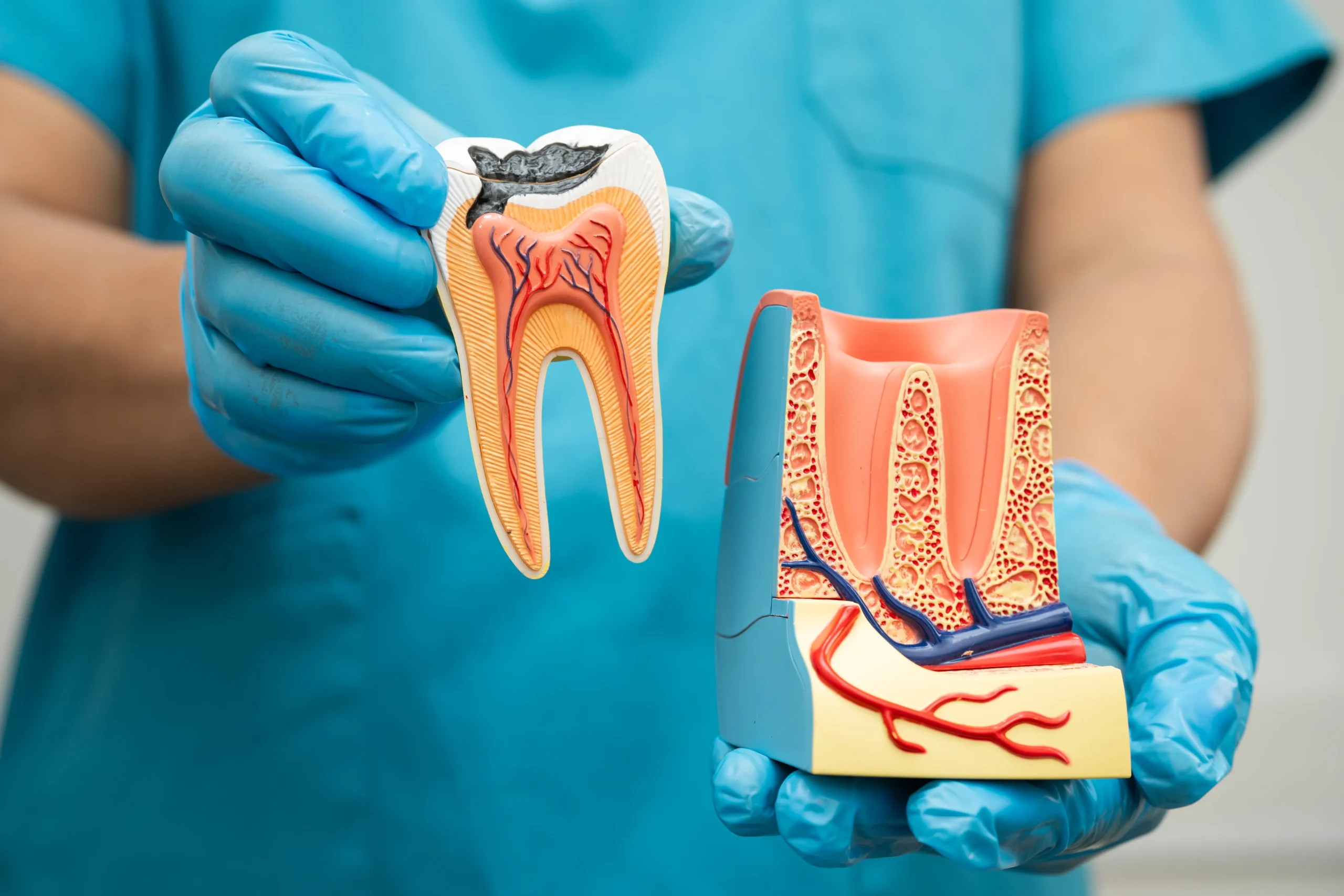
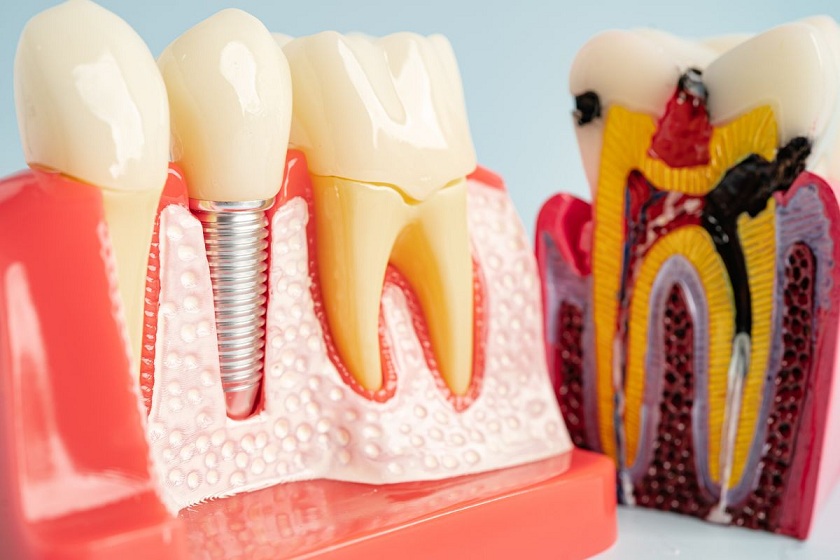
A root canal is a common dental procedure designed to save an infected or damaged tooth. Inside every tooth is a soft tissue known as the pulp, which contains nerves and blood vessels. When this pulp becomes infected due to deep decay, a cracked tooth, or dental trauma, it can cause pain, swelling, and discoloration.
During a root canal procedure, the dentist removes the infected pulp, thoroughly cleans and disinfects the inside of the tooth, and seals it to prevent future infection. While root canals are safe and routine, many patients delay treatment due to fear, cost concerns, or misunderstandings about the procedure.
What Happens If You Do Not Get a Root Canal?
A root canal therapy is needed when bacteria reach the inner pulp of the tooth. This type of infection does not heal on its own. Delaying treatment allows the infection to spread, leading to more serious dental and health problems.
In the early stages, pain may come and go. As the infection progresses, symptoms become more severe and constant. Common consequences of delaying a root canal include:
Increased Pain and Sensitivity
Early discomfort may feel manageable, but over time, the pain can become intense and persistent. Sensitivity to hot or cold foods and drinks may also worsen and linger longer.
Swelling and Abscess Formation
An untreated tooth infection can lead to an abscess, which is a painful pocket of pus near the tooth root. This may cause swelling in the gums, face, or neck, and can be accompanied by fever or a bad taste in the mouth.
Tooth Loss
If the infection is not treated in time, the tooth structure weakens. In many cases, the tooth cannot be saved and must be extracted.
More Complex and Costly Treatment
Delaying a root canal often necessitates more advanced procedures, such as tooth extraction, bone grafting, or dental implants. These treatments are typically more invasive, time-consuming, and expensive than a root canal.
Consequences of Delaying Root Canal Treatment
Postponing a root canal can have long-term effects that go beyond dental pain.
Worsening Pain and Daily Discomfort
What begins as mild discomfort can turn into constant, throbbing pain that interferes with eating, sleeping, and daily activities. Emergency dental care may be required, which can add stress and cost.
Spread of Infection
Bacteria from an untreated tooth can spread to nearby teeth, the jawbone, and surrounding tissues. In severe cases, the infection may spread through the bloodstream to other parts of the body.
Bone Loss
Chronic dental infections can slowly damage the jawbone around the affected tooth. This bone loss may complicate future treatments, such as dental implants.
Impact on Overall Health
Oral health plays an important role in overall health. Long-standing dental infections have been linked to conditions such as heart disease, diabetes-related complications, and respiratory infections. These risks are higher for individuals with weakened immune systems.
How Can You Tell If You Need a Root Canal?
Some common signs that may indicate the need for a root canal include:
- Severe tooth pain, especially when chewing
- Sensitivity to heat or cold that does not go away
- Swollen or tender gums
- Darkening or discoloration of the tooth
- A recurring pimple or swelling on the gums
If you notice any of these symptoms, it is significant to contact your dentist as soon as possible.
Why You Should Not Wait to Get a Root Canal
Delaying root canal treatment increases the risk of pain, infection, and tooth loss. Early treatment helps stop the infection, relieve discomfort, and preserve your natural tooth. With modern dental technology, root canal treatment is safe, effective, and far more comfortable than many people expect.
The sooner the infected pulp is removed and the tooth is sealed, the better the outcome for your oral health and overall well-being.
Get Root Canal Care in Rocklin
If you are experiencing persistent tooth pain or signs of infection, do not delay treatment. Early care can prevent serious complications and help save your tooth.
At Rocklin Comprehensive Dentistry, we provide gentle, efficient, and patient-focused root canal treatment. Our dental team is dedicated to your comfort and long-term oral health.
Schedule your appointment today and take the first step toward protecting your smile for years to come.
FAQs
How long can you safely delay a root canal?
It is not recommended to delay a root canal at all. Once the pulp is infected, the condition will not heal on its own and can worsen within days or weeks, leading to severe pain and complications.
Can a tooth infection go away without a root canal?
No, a tooth infection cannot heal on its own. Even if the pain temporarily subsides, the infection remains active and can spread to surrounding tissues or other parts of the body.
What are the risks of avoiding a root canal?
Avoiding a root canal can lead to increased pain, abscess formation, tooth loss, bone damage, and the spread of infection to nearby teeth or the bloodstream.
Will delaying a root canal make treatment more expensive?
Yes, delaying treatment often leads to more complex procedures, such as tooth extraction, dental implants, or bone grafting, which are more costly than a standard root canal.