Dental Crowns in Rocklin: What You Need to Know
If you have a cracked, weakened, or severely decayed tooth, dental crowns in Rocklin may be the right solution. A dental crown is a tooth-shaped cap that fits over your existing tooth. It restores the tooth’s shape, strength, and appearance. At Rocklin Comprehensive Dentistry, Dr. Purna Patel helps patients understand their options clearly and comfortably.
What Is a Dental Crown and Why Might You Need One?
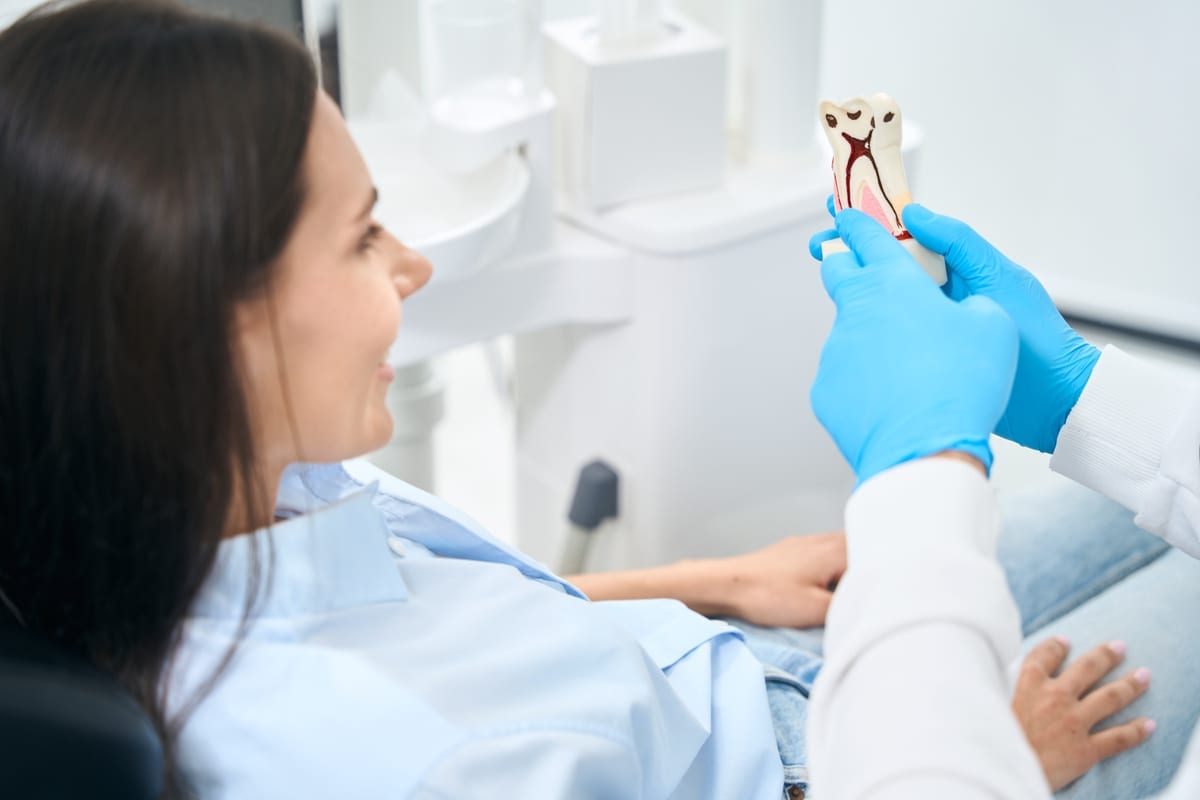
A dental crown covers the entire visible portion of a damaged tooth. It protects the tooth from further harm. Crowns are made from materials like porcelain, ceramic, metal, or a combination of these.
Many patients feel nervous when they hear they need a crown. That reaction is completely understandable. But crowns are one of the most reliable ways to save a natural tooth. Keeping your natural tooth is almost always the better long-term choice.
Dr. Patel may recommend a crown in several situations. Here are the most common reasons patients in Rocklin receive dental crowns:
- A tooth has a large cavity that a filling cannot adequately repair
- A tooth is cracked or fractured and at risk of splitting further
- A tooth has been weakened after a root canal therapy procedure
- A tooth is severely worn down from grinding or bite issues
- A tooth needs to anchor a dental bridge in place
- A dental implant needs a crown placed on top of it
Understanding the reason behind the recommendation helps you feel confident in your care. Dr. Patel always explains the why before any treatment begins.
Dental Crowns Rocklin: What the Process Looks Like
Getting a dental crown typically requires two appointments. Knowing what to expect ahead of time makes the process much less stressful. Here is a simple breakdown of each step:
- Examination and X-rays: Dr. Patel evaluates the tooth and surrounding bone to confirm a crown is the best option.
- Tooth preparation: A small amount of enamel is removed from the tooth to make room for the crown. Local anesthetic keeps you comfortable throughout.
- Impressions: Detailed impressions of your tooth are taken and sent to a dental lab. A temporary crown protects the tooth in the meantime.
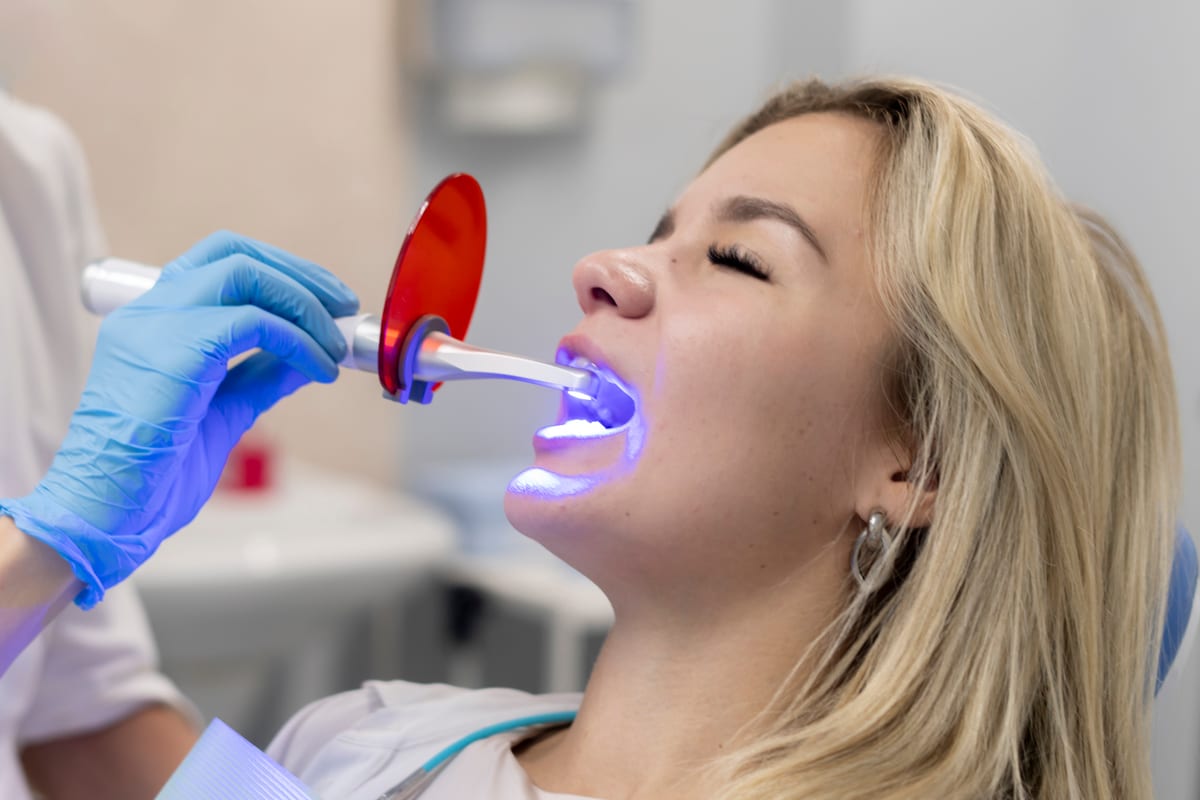
- Crown placement: At your second visit, the custom crown is checked for fit and color. Once everything looks right, it is permanently cemented into place.
Most patients are surprised by how manageable the process feels. Discomfort after preparation is usually mild and short-lived. Over-the-counter pain relievers are typically enough to stay comfortable.
Choosing the Right Crown Material for Your Smile
Not all crowns are the same. The material your dentist recommends depends on the location of the tooth and your personal goals. Each material has its own advantages.
Porcelain and ceramic crowns are popular for front teeth. They match the natural color and translucency of real teeth. Most people cannot tell the difference between a porcelain crown and a natural tooth.
Metal crowns are extremely durable. They work well for back molars where biting forces are strongest. However, their silver or gold color makes them more visible.
Porcelain-fused-to-metal crowns offer a balance of strength and natural appearance. They are a common middle-ground option for many patients.
Dr. Patel will walk you through the best choice based on your specific tooth and lifestyle. There is no one-size-fits-all answer when it comes to crown materials. Your needs and preferences always matter in the final decision.
How Long Do Dental Crowns Last?
With proper care, dental crowns can last 10 to 15 years or longer. Some patients keep their crowns for 20 years or more. How long a crown lasts depends on how well you care for it.
Here are simple habits that help extend the life of your crown:
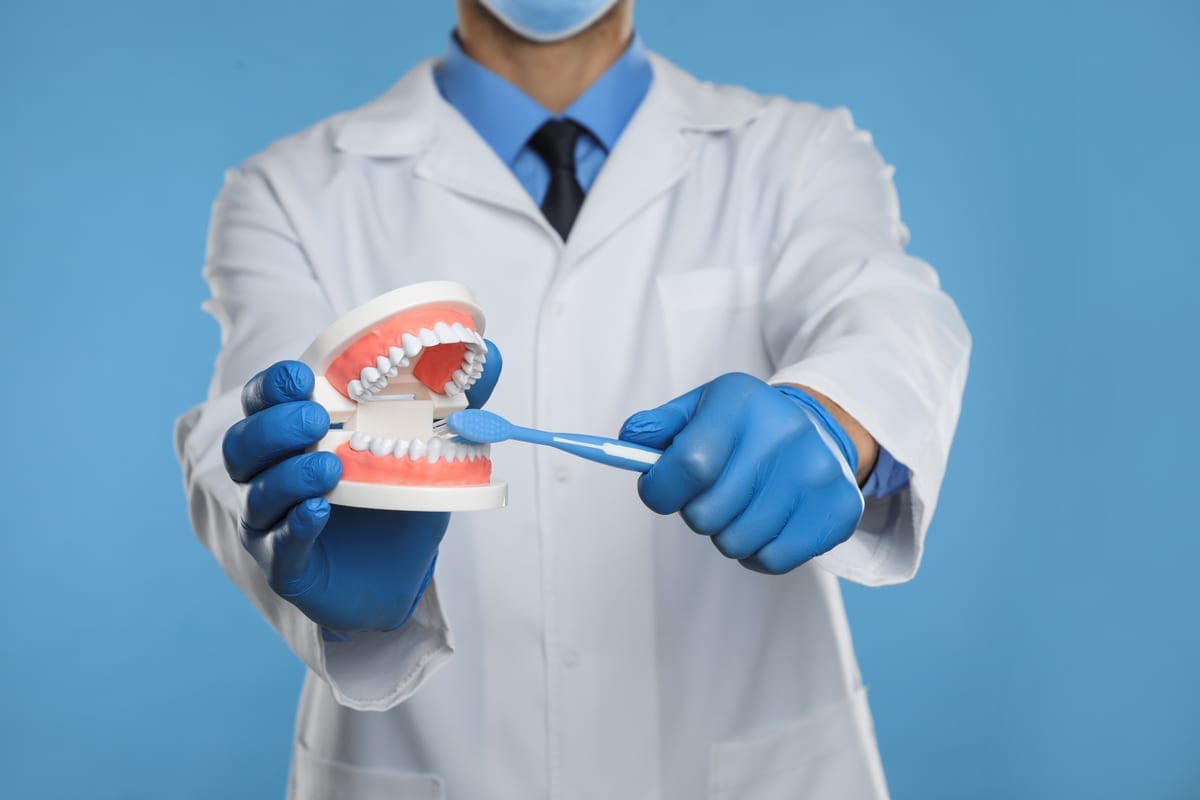
- Brush twice daily with a soft-bristled toothbrush
- Floss carefully around the crown each day
- Avoid chewing on ice or very hard foods
- Wear a night guard if you grind your teeth during sleep
- Attend regular cleanings and checkups at Rocklin Comprehensive Dentistry
The area where the crown meets the gum line needs attention during brushing. Plaque can build up in that area and lead to gum issues over time. Consistent hygiene protects both the crown and the surrounding gum tissue.
If you notice sensitivity, looseness, or discomfort around your crown, contact the office promptly. Catching minor issues early prevents bigger problems down the road. Our team is always here to help if something feels off. You can also explore our full range of dental services to support your overall oral health.
Is a Crown Always the Best Option?
In some cases, a large dental filling may be appropriate instead of a crown. Dr. Patel evaluates each situation individually. The goal is always to use the most conservative treatment that truly solves the problem.
If a tooth is too severely damaged, extraction followed by an implant or bridge may be a better path. But whenever possible, saving the natural tooth with a crown is preferred. Natural teeth are always worth preserving when it is clinically appropriate.
Patients across Rocklin trust Dr. Patel to give honest, straightforward recommendations. You can read what our patients say on our reviews page to hear firsthand experiences from the community.
Why Choose Rocklin Comprehensive Dentistry for Your Crown?
Dr. Purna Patel brings experience, precision, and genuine care to every crown procedure. The team at Rocklin Comprehensive Dentistry uses high-quality materials and modern techniques. Patient comfort is a top priority throughout every visit.
Whether you are dealing with a broken tooth or a cavity that has grown too large for a filling, Dr. Patel is here to guide you. You deserve honest answers and skilled treatment in a welcoming environment. That is exactly what Rocklin Comprehensive Dentistry delivers every day.
If you have been told you need a crown or simply want to understand your options better, reach out today. Book Now to schedule your appointment with our team.
Frequently Asked Questions
Does getting a dental crown hurt?
The procedure is performed under local anesthetic, so you should not feel pain during treatment. Some mild soreness around the tooth and gum is normal for a day or two after preparation. Most patients manage comfortably with over-the-counter pain relievers.
How do I know if I need a crown or just a filling?
Your dentist will evaluate the extent of the damage using X-rays and a clinical exam. If more than half the tooth structure is affected, a crown is usually the better choice. Fillings work well for smaller areas of decay.
Can a dental crown fall off?
It is uncommon, but crowns can occasionally loosen over time. This can happen due to decay under the crown, grinding habits, or normal wear. If your crown feels loose or comes off, contact your dentist right away to have it re-cemented or replaced.
How do I care for my crown after it is placed?
Treat a crowned tooth just like a natural tooth. Brush twice a day, floss daily, and avoid habits like chewing ice or hard candy. Keeping your regular dental checkups helps ensure the crown stays in good shape for many years.
Are dental crowns noticeable when you smile?
Modern porcelain and ceramic crowns are designed to blend seamlessly with your natural teeth. Most people cannot tell the difference between a well-made crown and a real tooth. Dr. Patel takes care to match the color and shape to your surrounding smile.