Emergency Dentistry Loomis: Your First-Time Patient Guide
Dental emergencies never arrive at a convenient time. Whether you’ve chipped a tooth biting into a celebratory graduation treat or you’re dealing with sudden pain during late spring festivities, knowing where to turn makes all the difference. Emergency Dentistry Loomis services provide immediate care when you need it most, and understanding what to expect can ease your anxiety during an already stressful situation.
If you’ve never visited an emergency dentist before, you might feel uncertain about the process. This guide walks you through everything from recognizing true dental emergencies to preparing for your first visit. Dr. Purna Patel and the team at Rocklin Comprehensive Dentistry serve Loomis residents with compassionate, expert emergency care.
Let’s explore what emergency dentistry involves and how to navigate your first urgent dental visit with confidence.
What Qualifies as Emergency Dentistry in Loomis?
Not every dental concern requires immediate attention. Understanding the difference between urgent and routine issues helps you make the right decision. True dental emergencies involve severe pain, bleeding, infection, or trauma that threatens your oral health.
Common dental emergencies include knocked-out teeth from sports injuries or accidents. These situations require care within an hour for the best chance of saving the tooth. Severe toothaches that prevent sleep or daily activities also qualify as emergencies, especially when accompanied by swelling or fever.
Broken or cracked teeth from biting hard foods need prompt attention. Deep cracks can expose the tooth’s inner pulp to bacteria. Lost fillings or crowns leave teeth vulnerable and often cause significant discomfort that shouldn’t be ignored.
Abscesses represent serious infections that can spread beyond your mouth. These appear as painful, swollen bumps on your gums. Soft tissue injuries like deep cuts to your lips, cheeks, or tongue may require emergency dental care, particularly if bleeding doesn’t stop within 15 minutes.
What to Bring to Your First Emergency Dentistry Visit
Preparation helps your first emergency appointment run smoothly. Gathering the right items before you leave home ensures your dentist has the information needed to provide optimal care. Here’s what you should bring:
- A valid photo ID such as a driver’s license or state identification card
- A list of current medications including dosages and frequency
- Information about any allergies, especially to medications or latex
- Records from your regular dentist if available and accessible
- Any broken tooth fragments in a sealed container with milk or saliva
- A list of previous dental procedures or oral surgeries you’ve had
- Medical history notes about conditions like diabetes or heart disease
- Contact information for your primary care physician
If your emergency involves a knocked-out tooth, bring the tooth itself. Handle it only by the crown, never touching the root. Rinse gently with water if dirty, but don’t scrub or remove attached tissue. Store it in milk or hold it in your mouth between your cheek and gum.
Many Loomis residents also find it helpful to bring a trusted friend or family member. That person can drive you home if treatment involves sedation. They can also help you remember post-treatment instructions when you’re feeling anxious or uncomfortable.
Understanding Your First Emergency Dentistry Appointment
Your first emergency visit follows a structured process designed to address your immediate concern. The team at Rocklin Comprehensive Dentistry prioritizes your comfort while thoroughly assessing your situation. Knowing what happens at each stage can reduce first-time anxiety significantly.
Upon arrival, you’ll complete essential paperwork about your health history. The staff will ask about your current symptoms, when they started, and what triggered them. They’ll also inquire about pain levels and any temporary measures you’ve taken at home.
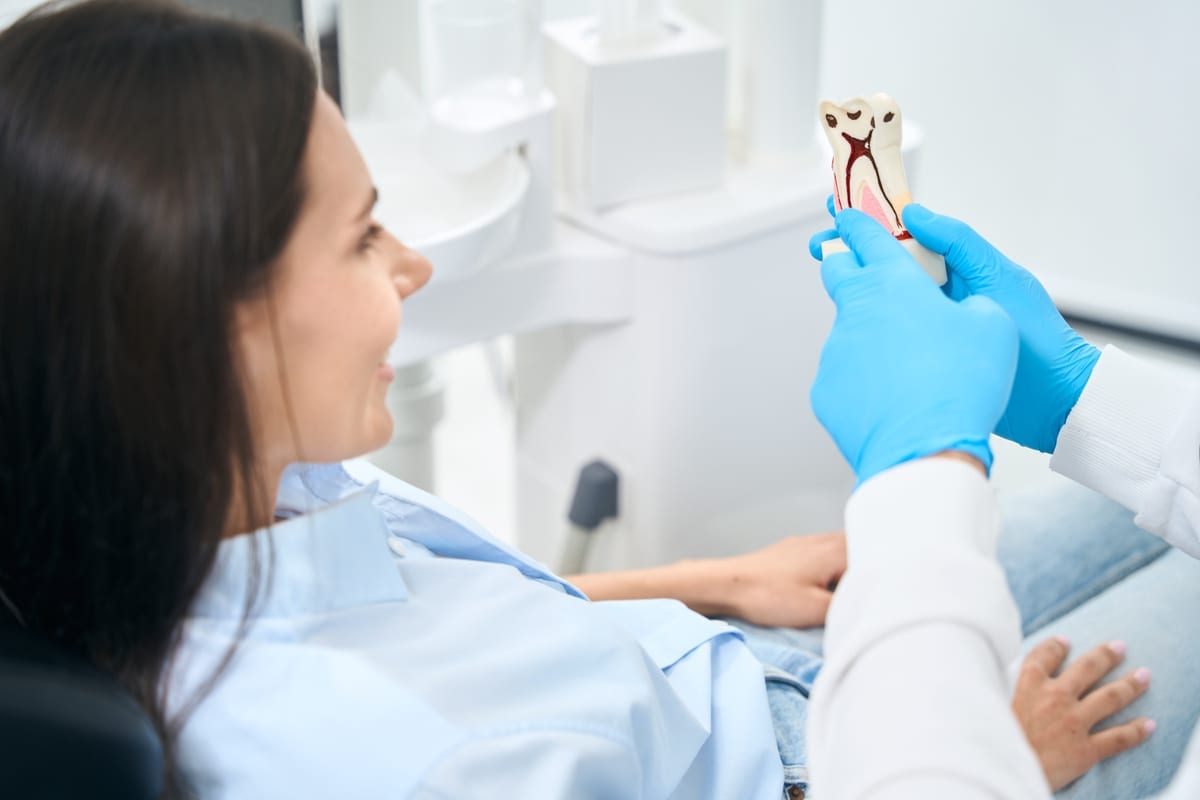
Dr. Patel will conduct a focused examination of the affected area. This exam includes visual inspection and gentle palpation to identify problems. Digital X-rays may be necessary to see what’s happening beneath the gum line or inside the tooth structure.
The examination helps determine the best treatment approach. Dr. Patel explains findings in clear, everyday language. She’ll discuss treatment options, what each involves, and what to expect during and after the procedure.
Treatment happens the same day whenever possible. Emergency care aims to relieve pain, stop infection, and stabilize your oral health. Some situations require immediate intervention, while others benefit from temporary solutions followed by comprehensive treatment at a later appointment.
Common Emergency Dentistry Procedures for First-Time Patients
Several treatments address the most frequent dental emergencies. Understanding these procedures helps you know what might happen during your visit. Each treatment targets specific problems with proven techniques that preserve your natural teeth when possible.
Tooth extractions remove severely damaged or infected teeth that can’t be saved. Modern techniques make this process surprisingly comfortable. Local anesthesia numbs the area completely before any work begins. You’ll feel pressure but not pain during the extraction itself.
Root canal therapy treats infected tooth pulp inside the tooth. Despite their reputation, root canals relieve pain rather than cause it. The procedure removes infected tissue, cleans the inner chamber, and seals the tooth. Most patients report feeling better immediately after treatment.
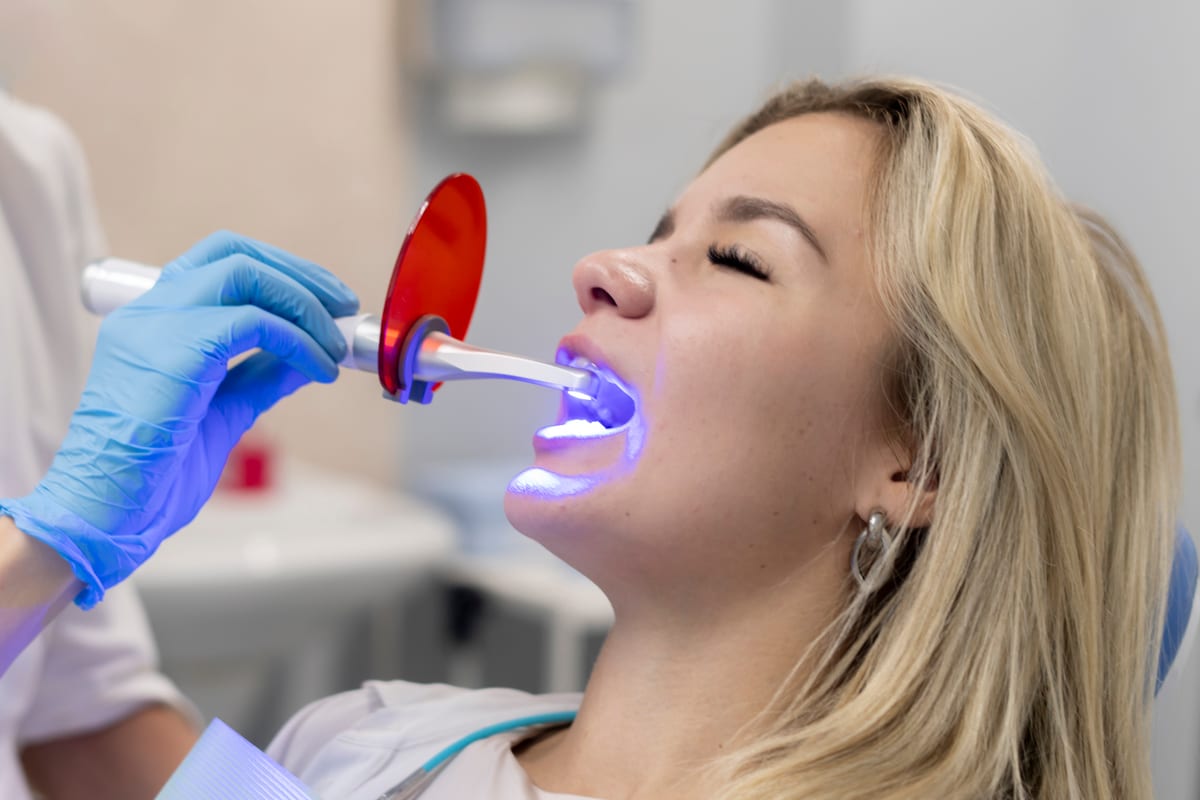
Dental bonding repairs chipped or cracked teeth quickly. The dentist applies tooth-colored resin material to the damaged area. After shaping and hardening the resin with a special light, the tooth looks and functions normally again.
Temporary crown placement protects damaged teeth until permanent restorations are ready. These crowns cover and stabilize teeth that have lost significant structure. They prevent further damage and reduce sensitivity while you wait for your custom crown.
Managing First-Time Anxiety About Emergency Dental Care
Feeling nervous about your first emergency dentistry visit is completely normal. Many Loomis patients experience anxiety when facing urgent dental care. These feelings often stem from fear of the unknown or concerns about pain during treatment.
Open communication with your dental team helps tremendously. Share your concerns with Dr. Patel and her staff. They can explain each step before it happens and adjust their approach to match your comfort level. Asking questions throughout your visit helps you feel more in control.
Modern pain management makes emergency dentistry far more comfortable than many people expect. Local anesthetics numb treatment areas effectively. Sedation options exist for patients with severe anxiety. Most procedures involve minimal discomfort, especially compared to the pain you’re already experiencing.
Breathing techniques can calm anxiety during treatment. Try slow, deep breaths through your nose. Focus on relaxing your shoulders and jaw. Some patients find it helpful to visualize a peaceful place like the scenic trails near Loomis or the beautiful spring weather we’re enjoying this May.
Remember that delaying emergency care typically makes problems worse. The infection or damage causing your current pain won’t improve on its own. Prompt treatment prevents complications and ends your discomfort faster. Taking action now protects your long-term oral health.
Connecting Emergency Care to Your Overall Dental Health
Emergency dentistry serves as an important entry point to comprehensive dental care. Many first-time patients discover ongoing oral health needs during emergency visits. Addressing these issues prevents future emergencies and improves your overall wellbeing significantly.
After resolving your immediate concern, Dr. Patel may recommend additional services to strengthen your oral health. Regular preventive care catches small problems before they become emergencies. Cleanings, exams, and X-rays form the foundation of a healthy smile that lasts a lifetime.
This late spring season presents an ideal time to establish a dental home. As students in Loomis and nearby Granite Bay finish their school year, scheduling comprehensive exams sets everyone up for success. Addressing any concerns now prevents disruptions during summer activities and family vacations.
Building a relationship with a trusted dental team means you’ll have support for all your oral health needs. From routine care to cosmetic improvements to future emergencies, continuity of care benefits your teeth and gums. You’ll also feel more comfortable knowing where to turn if problems arise.
The skills and technology used in emergency dentistry also support elective treatments. If you’ve been considering improvements to your smile, your emergency visit lets you experience the practice environment firsthand. Many patients feel reassured by the expertise and compassion they encounter during urgent care.
Preparing for Life After Your Emergency Visit
Recovery from emergency dental treatment varies based on the procedure performed. Following post-treatment instructions carefully ensures optimal healing. Dr. Patel provides clear guidance tailored to your specific situation before you leave the office.
Pain management after treatment typically involves over-the-counter medications. Most patients find ibuprofen or acetaminophen sufficient for any residual discomfort. Applying ice packs to your face can reduce swelling during the first 24 hours. Prescription pain medication is available for more extensive procedures.
Dietary modifications protect your treated tooth while it heals. Stick to soft foods for the first day or two. Avoid extremely hot, cold, or hard items. Good options include yogurt, smoothies, eggs, and cooked vegetables. Stay hydrated and maintain good nutrition to support your body’s healing process.
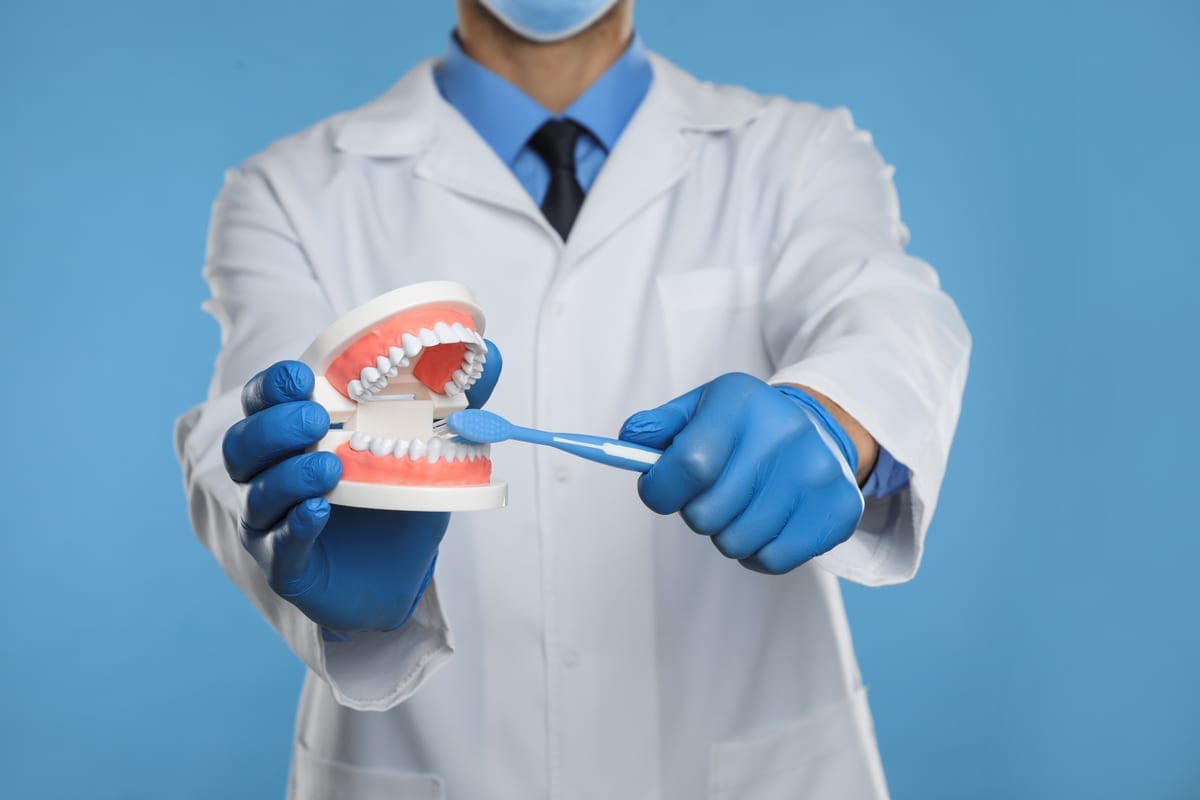
Oral hygiene remains important after emergency treatment. Brush gently around the treated area. Continue cleaning the rest of your mouth normally. Salt water rinses can promote healing and keep the area clean. Follow any specific hygiene instructions provided by your dental team.
Schedule follow-up appointments as recommended. Some treatments require additional visits to complete the restoration process. These appointments ensure your tooth heals properly and functions correctly. Missing follow-up care can compromise your treatment results or lead to additional problems.
If you’re a Loomis resident facing a dental emergency, don’t wait to seek help. Prompt care protects your teeth and relieves your discomfort quickly. Our team welcomes first-time emergency patients with compassionate expertise and modern treatment options. Book Now to schedule your appointment with our team.
Frequently Asked Questions
How quickly should I seek emergency dentistry for a knocked-out tooth?
Time is critical when a tooth gets knocked out. Seek emergency dentistry within 30 to 60 minutes for the best chance of saving the tooth. Keep the tooth moist in milk or saliva and handle it only by the crown. Immediate professional care allows the dentist to reimplant the tooth before the root structures die.
Will my first emergency dentistry visit involve painful procedures?
Modern emergency dentistry prioritizes your comfort throughout treatment. Local anesthetics numb the treatment area completely before any procedure begins. Most patients report feeling pressure but no pain during emergency treatments. The goal is to relieve the pain you’re already experiencing, not create new discomfort.
Can I eat normally after emergency dental treatment?
Dietary restrictions depend on the specific treatment you receive. Most emergency procedures require soft foods for 24 to 48 hours. Avoid very hot, cold, or hard items that might irritate the treated area. Dr. Patel provides specific dietary guidance based on your procedure before you leave the office.
What if my dental emergency happens outside regular office hours?
Dental practices serving Loomis and the surrounding Rocklin area typically provide emergency contact information for after-hours situations. True emergencies involving severe bleeding, breathing difficulty, or facial trauma may require hospital emergency room care. For most dental emergencies, contact your dentist’s emergency line for guidance and instructions.
Do I need to become a regular patient to receive emergency dentistry services?
No, emergency dentistry services are available to new patients experiencing urgent dental problems. You don’t need to be an established patient to receive emergency care. However, many first-time emergency patients choose to continue with the practice for ongoing dental care after experiencing quality treatment during their urgent visit.