
If you’ve ever searched for a simple, natural way to clean or whiten your teeth, baking soda probably came up. It’s affordable, easy to find, and often recommended in DIY oral care tips. But is it actually effective—or even safe?
At Rocklin Comprehensive Dentistry, we often get this question from patients across Rocklin, California. The short answer: yes, baking soda can help clean your teeth—but it’s not a complete replacement for toothpaste. Let’s break it down in a clear, practical way so you can make the right choice for your smile.
What is baking soda?
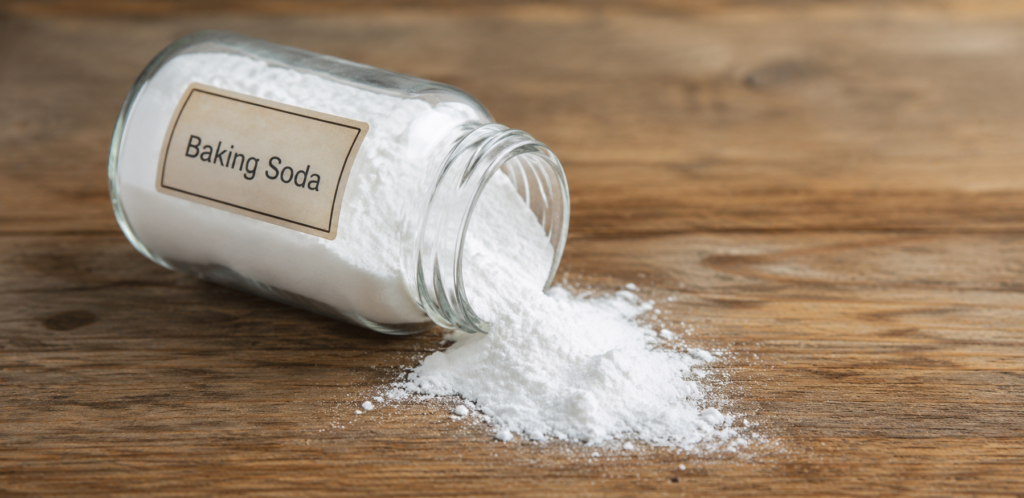
Baking soda, also known as sodium bicarbonate (NaHCO₃), is a naturally found chemical compound. It forms as crystalline material but is commonly processed into a fine powder for everyday use. It has a mildly salty, alkaline taste and is widely used in cooking, cleaning, and personal care.
Does Baking Soda Work as Toothpaste?
Baking soda (sodium bicarbonate) is a mild abrasive that can help remove plaque and surface stains. It’s also alkaline, meaning it helps neutralize acids in your mouth—an environment where harmful bacteria thrive.
In fact, studies show that baking soda can:
- Disrupt plaque (a sticky layer of bacteria)
- Reduce oral bacteria
- Improve overall cleanliness of teeth
However, there’s a catch—it doesn’t do everything your regular toothpaste does.
Benefits of Brushing with Baking Soda
1. Helps Remove Plaque
Baking soda physically breaks down plaque on your teeth, which can reduce your risk of gum problems like gingivitis.
2. Whitens Teeth Naturally
Because it’s mildly abrasive, it can scrub away surface stains caused by coffee, tea, or wine. That’s why many whitening toothpastes include it as an ingredient.
3. Neutralizes Acid in the Mouth
Baking soda works by gently increasing the pH level in your mouth, reducing excess acidity. When the environment becomes less acidic, harmful bacteria that contribute to cavities struggle to survive and multiply. This helps protect tooth enamel from acid damage and slows down decay. Over time, it supports a cleaner, more balanced oral environment.
4. Budget-Friendly and Accessible
Unlike many dental products, baking soda is inexpensive and available in almost every household.
Downsides You Should Know
While baking soda has benefits, it also has important limitations.
1. No Fluoride Protection
Baking soda lacks fluoride, a key ingredient that helps protect teeth from decay. Fluoride works by strengthening enamel and making it more resistant to acid attacks. Without it, teeth are more vulnerable to cavities over time. Relying only on baking soda may not provide complete protection for long-term oral health.
Do not try to replace toothpaste with baking soda. It does not provide the same level of plaque control or cavity protection, and frequent use can be too abrasive, potentially wearing down your enamel over time.
2. Limited Cavity Prevention
Although it helps reduce bacteria, baking soda alone doesn’t provide the same level of cavity protection as fluoride toothpaste.
3. Can Be Abrasive Over Time
Used too often or too aggressively, baking soda can wear down enamel. Once enamel is gone, it doesn’t grow back.
4. Taste and Texture Issues
Many people find it gritty or salty, which makes it less pleasant than regular toothpaste.
How to Use Baking Soda Safely
The American Dental Association (ADA) notes that baking soda can help lift surface stains and reduce acidity in the mouth, but it shouldn’t replace regular toothpaste since it doesn’t contain fluoride. Dentists often suggest using a fluoride toothpaste daily and adding a small amount of baking soda occasionally for extra whitening support.
- Mix baking soda with fluoride toothpaste to form a paste
- Brush gently in circular motions
- Limit use to 1–2 times per week
- Rinse thoroughly after brushing
Avoid mixing baking soda with acidic ingredients like lemon juice or vinegar—these can damage your enamel.
Baking Soda vs. Regular Toothpaste
Let’s keep it simple:
- Baking soda: Good for surface cleaning and mild whitening
- Fluoride toothpaste: Essential for cavity protection and long-term oral health
That’s why many dentists recommend using baking soda occasionally—not as your main toothpaste.
A Better Alternative: Toothpaste with Baking Soda
If you like the benefits of baking soda but want complete protection, consider using a toothpaste that includes it as an ingredient.
These formulas:
- Combine baking soda’s cleaning power
- Include fluoride for cavity prevention
- Offer better taste and texture
Research shows these toothpastes can remove more plaque than those without baking soda.
What About Teeth Whitening?
Baking soda can help with surface stains, but it won’t dramatically change the natural color of your teeth.
For deeper whitening:
- Over-the-counter products with peroxide work better
- Professional treatments at your dentist offer the most noticeable results
If you’re a coffee lover enjoying mornings around Rocklin cafés, a professional cleaning may give you faster and safer results than DIY methods.
Local Insight: What Works for Rocklin Patients
In a busy city like Rocklin—between school runs, work, and outdoor activities—oral care needs to be simple and effective.
Most families we see follow a routine like:
- Brushing twice daily with fluoride toothpaste
- Flossing regularly
- Visiting the dentist every 6 months
Baking soda can be part of that routine, but it shouldn’t replace the basics.
When Should You Avoid Baking Soda?
Talk to your dentist before using baking soda if you:
- Have sensitive teeth
- Already have enamel erosion
- Are treating gum disease
- Are considering it for your child
A quick consultation can help you avoid long-term damage.
Final Verdict: Should You Use Baking Soda?
Baking soda is useful—but limited.
Yes, you can brush your teeth with it.
But it works best as a supplement, not a substitute.
The Smart Approach:
- Use baking soda occasionally for stain removal
- Stick to fluoride toothpaste for daily brushing
- Maintain regular dental checkups