Many Rocklin patients wonder what actually happens during a routine dental cleaning. Understanding what your dental hygienist actually does during a professional cleaning in Rocklin can ease anxiety and help you appreciate every step. Far more than a quick polish, a professional cleaning is a thorough, skilled process designed to protect your long-term oral health. At Rocklin Comprehensive Dentistry, Dr. Purna Patel and our hygiene team walk every patient through the visit with care and transparency.
Step One: The Initial Oral Examination and Health Review
Before any tools come out, your hygienist reviews your medical and dental history. Certain medications and health conditions can affect your gum tissue, saliva, and bone health. This review helps the hygienist customize your cleaning and flag any concerns early. It only takes a few minutes, but it shapes the entire appointment.
Next, your hygienist performs a visual assessment of your mouth. They check your gums, teeth, tongue, cheeks, and the roof of your mouth. They are looking for signs of inflammation, unusual spots, or anything that needs the dentist’s attention. This quick but thorough scan sets the baseline for your cleaning.
Your hygienist will also take or review dental X-rays if they are due. X-rays reveal what the naked eye cannot see — decay between teeth, bone loss, and root issues. This information is critical for a complete picture of your oral health. Nothing about this step is routine in a careless sense; it is methodical and precise.
What Your Dental Hygienist Actually Does During Scaling in Rocklin
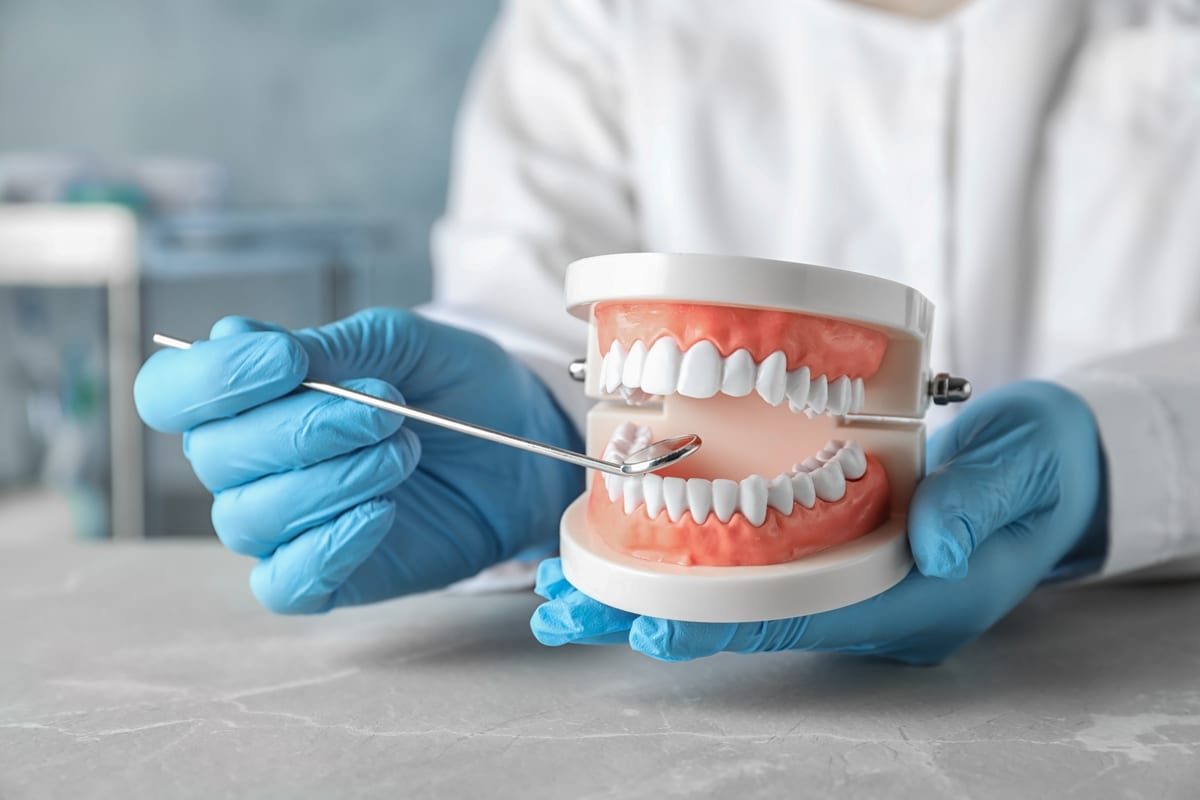
Scaling is the core of every professional cleaning. Your hygienist uses a small metal instrument called a scaler to remove tartar, also called calculus. Tartar is hardened plaque that cannot be removed by brushing alone. It typically builds up along the gumline and between teeth.
There are two types of scalers your hygienist may use. A manual scaler is a hand-held curved tool that physically scrapes tartar away. An ultrasonic scaler uses gentle vibrations and a water spray to break tartar loose. Many hygienists use both tools together for the most thorough clean.
- Manual scalers reach tight spaces between teeth and along the gumline.
- Ultrasonic scalers efficiently clear larger deposits of tartar.
- Water irrigation from the ultrasonic device flushes debris away as it loosens.
- Both tools are safe, precise, and used based on your individual needs.
- Some sensitivity during scaling is normal, especially near the gumline.
During scaling, your hygienist is also assessing the health of your gum tissue. Bleeding during scaling is a sign of inflammation, often linked to gingivitis. Healthy gums do not bleed easily when touched by a scaler. This real-time feedback helps your hygienist and Dr. Patel evaluate your periodontal health accurately.
Polishing, Flossing, and Fluoride Treatment Explained
After scaling, your hygienist polishes your teeth using a rotating rubber cup and gritty prophylaxis paste. This paste is slightly abrasive and buffs away surface stains. It also smooths the enamel surface, making it harder for plaque to cling to your teeth. The result is that clean, smooth feeling you love after a dental visit.
Professional flossing comes next and it is not just for show. Your hygienist slides floss between every pair of teeth to remove any remaining debris. They also check how your gums respond between each contact point. This step catches what tools and brushing can miss at home.
- Polishing removes coffee, tea, and surface stains effectively.
- The prophylaxis paste strengthens and smooths enamel surfaces.
- Professional flossing clears interproximal debris left after scaling.
- Fluoride treatment remineralizes weakened enamel to resist decay.
- Each of these steps builds on the last for a complete result.
Your hygienist may finish with a fluoride treatment. This usually involves a tray filled with fluoride gel or a painted-on fluoride varnish. Fluoride strengthens enamel and helps prevent cavities from forming. It is especially beneficial if your hygienist notices early signs of enamel erosion.
Periodontal Probing and What the Numbers Mean
During or after the cleaning, your hygienist performs periodontal probing. They use a small ruler called a periodontal probe to measure the depth of the pockets between your teeth and gums. Healthy pockets measure one to three millimeters. Deeper measurements signal gum disease or bone loss around the tooth root.
Your hygienist records these measurements and calls out numbers to an assistant or charts them digitally. You may hear numbers like two, three, or four during this process. Do not be alarmed — this is simply your hygienist mapping your gum health. Significant changes from visit to visit are what the team monitors most closely.
If pockets are deeper than four millimeters, your hygienist and Dr. Patel may recommend periodontal care. This could include a deeper cleaning called scaling and root planing. Catching gum disease early prevents tooth loss and more complex treatment later. The probing step is one of the most important parts of your visit for long-term health.
The Dentist Exam and Personalized Home Care Advice
After the cleaning, Dr. Purna Patel reviews your hygienist’s notes and performs a comprehensive exam. She checks every tooth for decay, cracks, and wear. She also reviews your gum health, bite, and any X-ray findings. This collaboration between hygienist and dentist ensures nothing is overlooked.
Dr. Patel may identify areas that need follow-up treatment. For example, a cracked tooth might need a dental crown. Missing teeth could be discussed in context of options like Dental Implants Rocklin or Dental Bridges Rocklin. These conversations happen in a relaxed, informative way — never rushed or pressured.
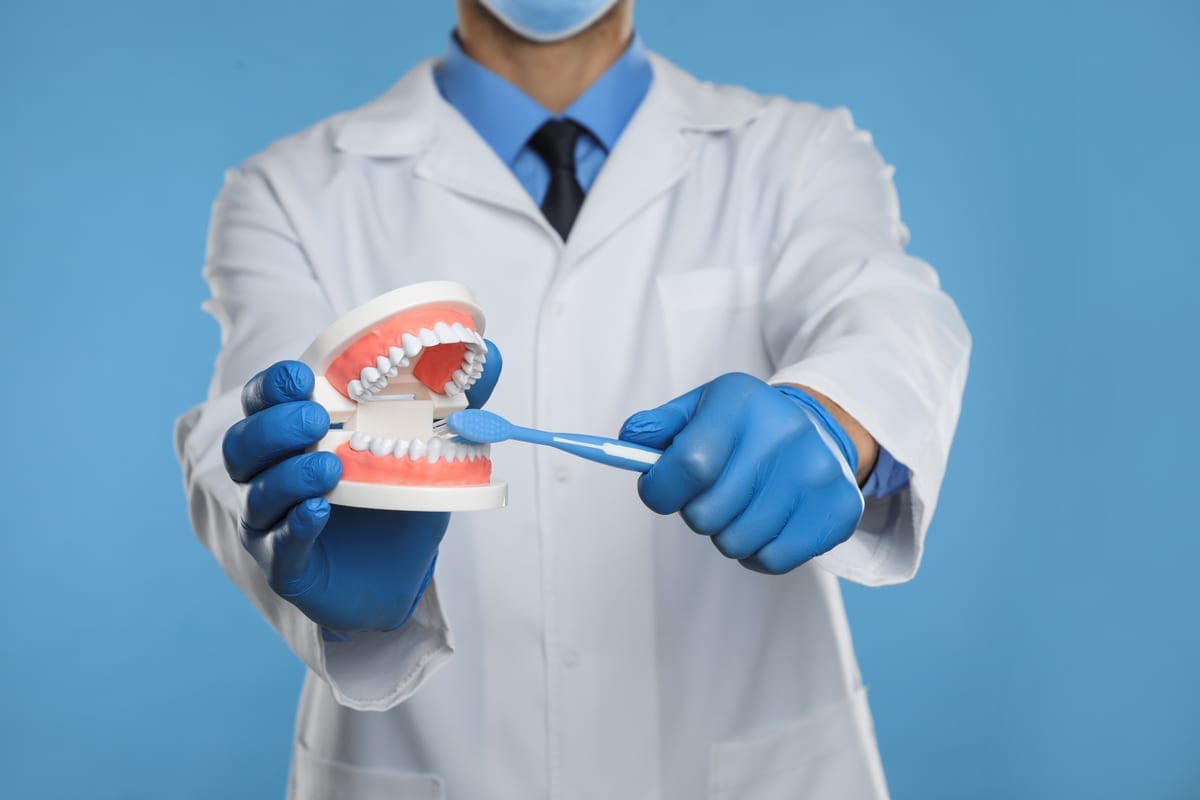
Before you leave, your hygienist shares personalized home care tips. These recommendations are based on what they observed during your cleaning. You might receive guidance on brushing technique, flossing tools, or specific areas to focus on. This final conversation transforms your appointment into ongoing education, not just a one-time visit.
Why Professional Cleanings in Rocklin Matter Every Six Months
Even the most diligent home brusher cannot remove tartar once it forms. Only professional instruments can do that safely and effectively. Skipping cleanings allows tartar and bacteria to accumulate, increasing your risk of gum disease and decay. Twice-yearly visits keep that cycle from starting.
Regular cleanings also give your dental team a consistent record of your oral health over time. They detect changes early — before a small issue becomes a costly one. In Rocklin, where many families and busy professionals manage full schedules, a twice-yearly commitment to cleanings saves both time and money in the long run. Prevention is always easier than treatment.
At Rocklin Comprehensive Dentistry, our hygiene team genuinely cares about your comfort and health. We take the time to explain every step and answer every question. You should leave every cleaning feeling informed, not just clean. Book Now to schedule your appointment with our team.
Frequently Asked Questions
How long does a professional dental cleaning in Rocklin usually take?
A typical cleaning appointment takes between 45 and 60 minutes. If you are due for X-rays or have heavier tartar buildup, the visit may run slightly longer. Our team at Rocklin Comprehensive Dentistry works efficiently while making sure every step is done thoroughly. We always let you know what to expect when you arrive.
Is scaling supposed to hurt during a dental cleaning?
Mild sensitivity during scaling is common, especially near the gumline or between teeth. It should not feel sharp or intense. If you have gum inflammation or have not had a cleaning in a while, there may be more sensitivity than usual. Let your hygienist know at any point and they can adjust their approach or offer comfort options.
What is the difference between a regular cleaning and a deep cleaning?
A regular cleaning, called a prophylaxis, removes plaque and tartar from above and just below the gumline. A deep cleaning, or scaling and root planing, goes further below the gumline to treat active gum disease. Your hygienist will recommend a deep cleaning only if periodontal probing reveals pockets deeper than four millimeters. Regular cleanings can prevent the need for deep cleanings when done consistently.
How often should I get a professional dental cleaning?
Most adults benefit from a professional cleaning every six months. However, some patients with a history of gum disease or rapid tartar buildup may need cleanings every three to four months. Dr. Purna Patel and our hygiene team will recommend a schedule based on your individual oral health needs. Consistency is the most important factor in maintaining healthy teeth and gums.
Can a dental cleaning help with bad breath?
Yes, professional cleanings are one of the most effective ways to reduce chronic bad breath. Tartar buildup and bacterial accumulation beneath the gumline are major contributors to persistent odor. Removing these deposits during your cleaning significantly freshens your breath. Your hygienist can also identify other causes of bad breath, such as gum disease or dry mouth, during your visit.