
You wake up with a throbbing headache — again. Your ears feel full or achy, but you haven’t had a cold. Your jaw feels tight when you eat breakfast. If this sounds familiar, your headaches and ear pain might actually be TMJ problems in Rocklin that have gone undiagnosed. Many patients are surprised to learn that their dentist — not their primary care doctor — holds the key to relief.
TMJ stands for temporomandibular joint. It connects your lower jaw to your skull. When this joint becomes inflamed or misaligned, it can trigger a wide range of symptoms throughout your head and neck. At Rocklin Comprehensive Dentistry, Dr. Purna Patel helps patients identify and treat these often-overlooked symptoms every day.
What Is TMJ and Why Does It Affect So Much of Your Body?
The temporomandibular joint is one of the most complex joints in the human body. It moves every time you speak, chew, yawn, or swallow. That’s hundreds of movements every single day. Because of its location and constant use, even minor dysfunction can create pain far beyond the jaw itself.
The trigeminal nerve runs directly through the TMJ area. This nerve controls sensation across your entire face, head, and parts of your neck. When the TMJ is stressed or misaligned, it can irritate this nerve and send pain signals to areas that seem completely unrelated to your jaw.
This is why so many patients in Rocklin spend months visiting different specialists — neurologists, ENTs, and chiropractors — before realizing the issue starts in the jaw. Understanding the connection is the first step toward finding real relief.
Recognizing the Full Range of TMJ Symptoms in Rocklin Patients
TMJ disorder doesn’t look the same for everyone. Some patients feel sharp jaw pain. Others experience a dull, persistent ache that spreads across the face. Knowing the full range of symptoms can help you connect the dots faster.
Common TMJ symptoms include:
- Jaw pain or tenderness, especially in the morning
- Clicking, popping, or grinding sounds when opening your mouth
- Difficulty fully opening or closing your jaw
- Frequent tension headaches or migraines
- Ear pain, stuffiness, or ringing (tinnitus) with no ear infection present
- Neck stiffness and shoulder tension
- Facial fatigue, especially after eating
- Teeth sensitivity from nighttime clenching or grinding (bruxism)
Many of these symptoms worsen under stress. If you notice your jaw clenching during a busy workday or your headaches peak in the morning, TMJ could be the culprit. Don’t dismiss these signs as unrelated — they rarely are.
Why Headaches and Ear Pain Are So Commonly Misdiagnosed
Headaches and ear pain have many possible causes. That’s exactly why TMJ disorder is so frequently missed. Doctors treating headaches may focus on migraines or tension disorders. ENTs investigating ear pain often rule out infection and stop there. Meanwhile, the real source of pain sits right in the jaw joint.
Bruxism — the habit of grinding or clenching your teeth — often happens during sleep. Most people don’t even know they do it. This nighttime grinding puts enormous pressure on the TMJ. Over time, it leads to inflammation, muscle soreness, and the cascading symptoms described above.
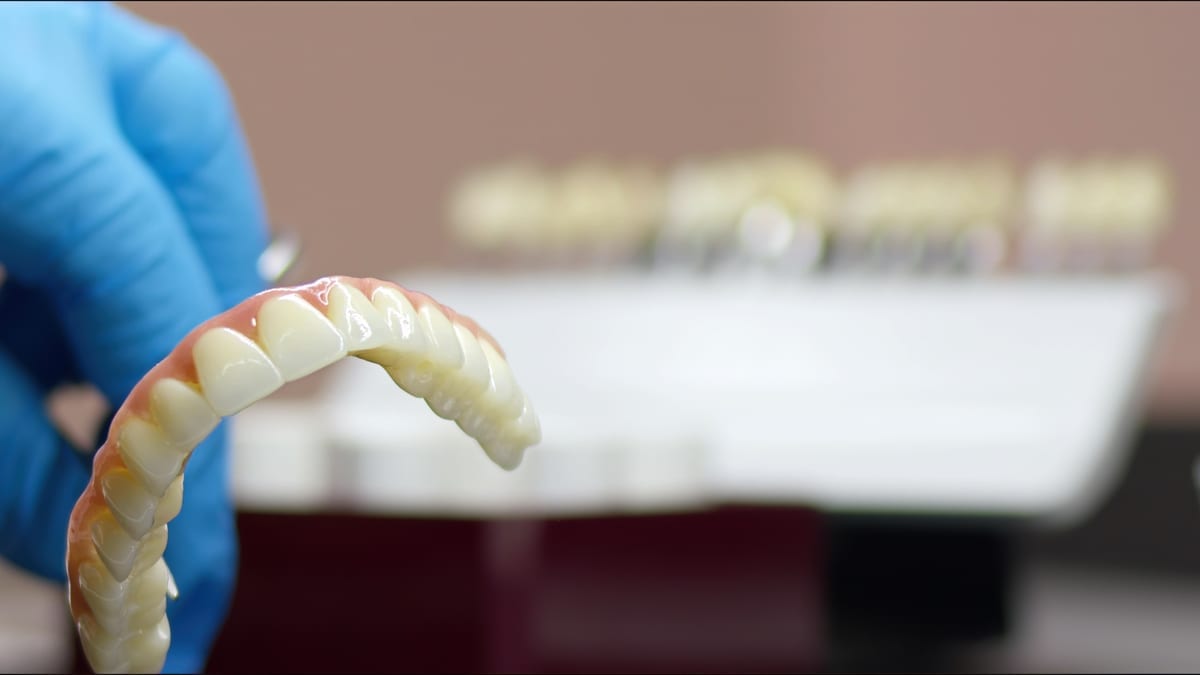
Missing teeth can also contribute to jaw imbalance. When teeth are absent, the bite shifts to compensate. This creates uneven pressure on the TMJ over time. Restorative options like Dental Implants Rocklin or Dental Bridges Rocklin can help restore proper bite alignment, reducing stress on the joint.
At Rocklin Comprehensive Dentistry, Dr. Patel takes a whole-mouth approach. She evaluates your bite, jaw alignment, and muscle tension to uncover the root cause of your discomfort.
What to Expect During a TMJ Evaluation at Rocklin Comprehensive Dentistry
Visiting a dentist for headaches or ear pain might feel unusual. But a thorough TMJ evaluation is comprehensive and non-invasive. Here’s what the process typically looks like:
- Medical and symptom history: Dr. Patel will ask detailed questions about your pain patterns, sleep habits, and stress levels.
- Physical examination: She will gently feel your jaw joints and muscles for tenderness, clicking, or irregular movement.
- Bite analysis: X-rays or digital imaging help assess joint health and identify any structural concerns.
- Custom treatment planning: Based on findings, she will recommend a personalized approach to relieve your symptoms.
Treatment options for TMJ vary based on severity. Mild cases often respond well to a custom night guard that protects teeth and reduces jaw strain during sleep. Other patients benefit from bite adjustments, muscle relaxation techniques, or anti-inflammatory strategies.
The goal is always lasting relief — not just temporary symptom management. Dr. Patel educates patients throughout the process so you understand exactly what’s happening and why.
Simple Steps You Can Take Right Now to Ease TMJ Discomfort
While professional treatment is the most effective solution, there are things you can do at home to manage TMJ discomfort in the short term. These strategies won’t replace a proper diagnosis, but they can provide meaningful relief.
- Apply warm compresses to your jaw for 10–15 minutes to relax tight muscles
- Avoid hard or chewy foods that strain the joint (think bagels, raw carrots, and gum)
- Practice gentle jaw stretches recommended by your dentist
- Be mindful of daytime clenching — keep lips together and teeth slightly apart when relaxed
- Reduce caffeine and screen time before bed to improve sleep quality and reduce nighttime grinding
- Manage stress through exercise, meditation, or other relaxation techniques
These steps support your treatment but should not replace a professional evaluation. If your symptoms persist for more than a few weeks, schedule an appointment. Early intervention leads to better outcomes and prevents the condition from worsening.
Find Real Relief for TMJ in Rocklin With Dr. Purna Patel
Living with daily headaches or unexplained ear pain is exhausting. It affects your focus, your mood, and your quality of life. You deserve answers — and real, lasting relief. Your headaches and ear pain might actually be TMJ problems in Rocklin that a skilled dentist can diagnose and treat.
Dr. Purna Patel and the team at Rocklin Comprehensive Dentistry are experienced in identifying the subtle signs of TMJ disorder. We take time to listen, evaluate, and create a treatment plan that works for your life. Our approach is gentle, educational, and focused on your long-term health.
Don’t wait for the pain to get worse. Book Now to schedule your appointment with our team.
Frequently Asked Questions
Can a dentist really treat headaches caused by TMJ?
Yes. When headaches stem from jaw tension, clenching, or bite misalignment, a dentist trained in TMJ treatment is often the most effective provider. Dr. Purna Patel evaluates the jaw, muscles, and bite to identify the source of pain and recommend targeted treatment options.
How do I know if my ear pain is from TMJ and not an ear infection?
Ear infections typically come with fever, fluid buildup, or hearing changes. TMJ-related ear pain usually lacks these signs and may accompany jaw clicking, morning headaches, or facial tension. If your doctor rules out an ear infection, TMJ is worth investigating.
Is a night guard effective for TMJ relief?
For many patients, a custom night guard is highly effective. It prevents teeth grinding during sleep and reduces pressure on the TMJ. Over-the-counter guards are available but often don’t fit properly. A custom guard from your dentist provides better comfort and protection.
Will TMJ disorder go away on its own?
Mild cases sometimes improve with lifestyle changes and stress reduction. However, untreated TMJ can worsen over time and lead to significant joint damage or tooth wear. It’s always better to get a professional evaluation early rather than waiting to see if symptoms resolve on their own.
How does missing teeth relate to TMJ problems?
When teeth are missing, your bite shifts to compensate. This creates uneven pressure on the jaw joint over time, which can contribute to TMJ dysfunction. Restoring missing teeth with implants or bridges can help rebalance the bite and reduce joint stress.